Introduction
Reaching for your morning cup but dreading the stomach burn that follows? You're not alone. Many people with sensitive stomachs face the daily dilemma of whether coffee or tea is better for their gut health. While both contain caffeine, research reveals surprising differences in how they affect acid production, digestive comfort, and overall gut wellness. This article breaks down the science behind coffee versus tea for sensitive stomachs, explores why some people react differently, and offers practical strategies to enjoy your daily brew without the digestive aftermath.
What Is Caffeine and How Does It Affect Your Stomach?
Caffeine is a natural stimulant that affects your digestive system through multiple pathways. Research shows caffeine activates bitter taste receptors (TAS2Rs) not just in your mouth, but directly in your stomach's acid-producing cells [1]. When these receptors are triggered, they signal your stomach to ramp up acid production.
But here's the catch: it's not just about the caffeine. Studies demonstrate that decaffeinated coffee produces similar levels of gastric acid secretion as regular coffee, both exceeding the effects of caffeine alone [2]. This means other compounds in coffee beyond caffeine are driving stomach irritation.
The acid stimulation happens through your body's histamine H2-receptors, which is why acid-blocking medications can completely prevent caffeine's stomach-burning effects [3].
Why Coffee Triggers More Gut Discomfort Than Tea
1) Higher Acid Production
Coffee consistently stimulates more gastric acid than tea, even when caffeine levels are matched. The culprits appear to be coffee-specific compounds that activate multiple acid-producing pathways simultaneously [1,2].
- Both caffeinated and decaffeinated coffee increase acid secretion
- Coffee's effects exceed what caffeine alone can explain
- The response happens within minutes of consumption
2) Reduced Protective Mechanisms
While coffee ramps up acid, it doesn't provide the same protective compounds found in tea. Research on gastric mucus-secreting cells shows caffeine affects protective mucus production, but tea's additional compounds may help counterbalance this effect [4].
- Less mucus protection means more direct acid contact with stomach lining
- Coffee lacks the protective polyphenols abundant in tea
3) Faster Gastric Processing
Tea compounds, particularly EGCG from green tea, actually slow gastric emptying, giving your stomach more time to handle acid production [10]. Coffee tends to speed things up, potentially overwhelming sensitive digestive systems.
- Slower emptying means less acid shock to the small intestine
- More time for natural buffering mechanisms to work
Common Symptoms of Coffee Sensitivity
Coffee-related stomach issues typically appear within 30 minutes to 2 hours after drinking:
- Burning or gnawing stomach pain
- Heartburn or acid reflux
- Nausea or queasy feeling
- Bloating and gas
- Urgent bathroom trips
- Jittery feeling combined with stomach discomfort
Why Some People Handle Coffee Better Than Others
Genetics and Acid Production: Some people naturally produce less stomach acid or have fewer H2-receptors, making them less reactive to coffee's acid-stimulating effects [3]. Others have genetic variations affecting how quickly they metabolize caffeine.
Existing Gut Conditions: If you have GERD, gastritis, or IBS, your stomach lining is already irritated and more sensitive to acid surges. Coffee can feel like pouring fuel on a fire [2,3].
Timing and Food Pairing: Drinking coffee on an empty stomach maximizes acid contact with your stomach lining. People who always pair coffee with food often tolerate it better because food helps buffer the acid response.
What the Science Says: Key Findings
Multiple studies reveal why tea emerges as the gentler option for sensitive stomachs:
Protective Polyphenols: Tea polyphenols, especially from green tea, actively protect against gastric injury by reducing acid secretion and supporting the stomach's protective mucus layer [5,8]. These compounds also demonstrate anti-inflammatory effects that may help heal existing irritation.
Bacterial Balance: Research shows tea polyphenols can help manage H. pylori bacteria, a common cause of stomach ulcers and gastritis, while reducing inflammatory markers [6,9]. Coffee lacks these protective antimicrobial properties.
Improved Gut Transit: Tea polyphenols show increased beneficial activity in the colon, supporting overall digestive health through improved antioxidant activity and gut microbiota interactions [7].
Controlled Gastric Emptying: Green tea's EGCG naturally slows gastric emptying in a controlled way, giving your digestive system time to process without overwhelming it [10].
Immediate Relief Strategies
1. Switch Your Ratio: Try half coffee, half tea blends to reduce total acid stimulation while maintaining familiar flavors.
2. Food First: Never drink coffee or strong tea on an empty stomach. Even a small snack helps buffer acid production [2].
3. Cold Brew Over Hot: Cold brewing extracts fewer acid-producing compounds while maintaining caffeine content.
4. Add Milk or Plant Milk: Dairy proteins can help neutralize acid, while the fat content slows absorption [2].
5. Timing Matters: Avoid caffeine within 3 hours of lying down to prevent reflux symptoms.
Long-Term Strategies to Reduce Sensitivity
1. Gradual Tea Transition: Slowly replace coffee with green or white tea over 2-3 weeks. Start with lighter teas and work toward stronger varieties as your stomach adjusts.
2. Support Stomach Lining Health: Focus on foods rich in zinc, vitamin A, and omega-3s that help repair and maintain your stomach's protective barrier.
3. Stress Management: Chronic stress increases stomach acid production and reduces protective mechanisms. Regular stress reduction can improve your tolerance to both coffee and tea.
4. Consistent Meal Timing: Eating at regular intervals helps regulate acid production and prevents the empty-stomach acid surges that make caffeine feel harsher.
How Redbloom Fits In
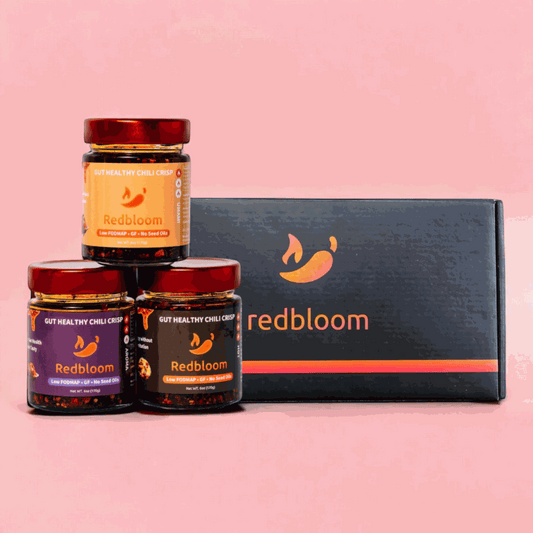
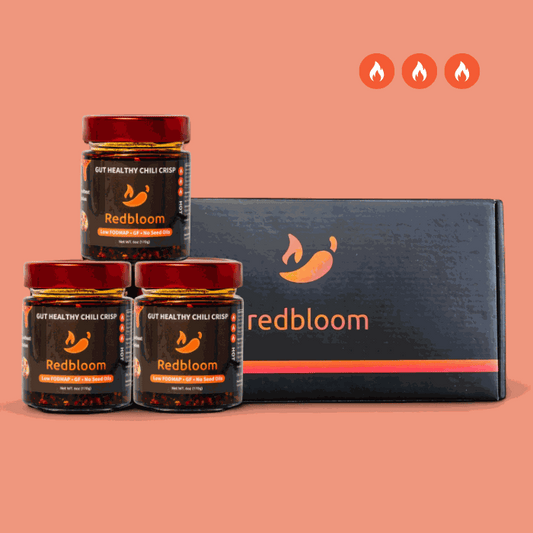
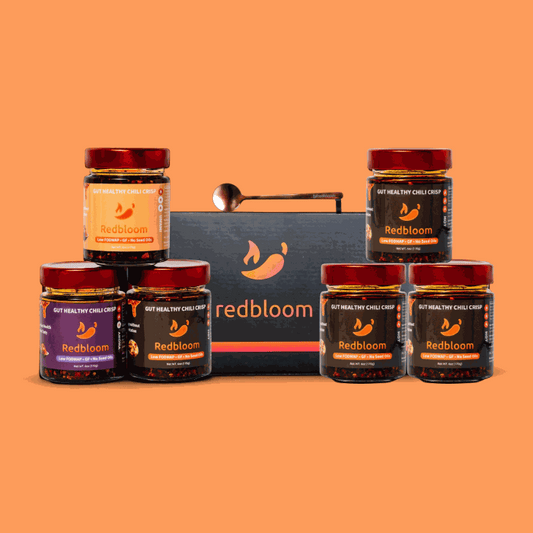
While transitioning from coffee to tea, building overall gut resilience can help reduce sensitivity to various triggers. Redbloom's chili crisp uses microencapsulated capsaicin in avocado oil, which research suggests can help reduce gut sensitivity over a 6-8 week protocol. The gradual 3-phase approach (Mild Umami → Medium Aroma → Hot Dopamine) is designed to build tolerance without triggering flare-ups.
FAQ
1) Is decaf coffee easier on the stomach than regular coffee?
Not necessarily. Research shows decaffeinated coffee produces similar gastric acid levels as regular coffee, suggesting other compounds beyond caffeine are responsible for stomach irritation [2]. However, some people do find decaf slightly more tolerable.
2) Which type of tea is gentlest for sensitive stomachs?
White and green teas tend to be gentlest due to their high protective polyphenol content and lower tannin levels [5,8]. Chamomile and ginger teas are also traditionally soothing, though they lack caffeine.
3) Can I build tolerance to coffee over time?
Some people do adapt, but if you have underlying gut sensitivity, tea may remain the better long-term choice. Focus on supporting overall gut health rather than forcing tolerance to irritating substances.
4) Does the brewing method matter for stomach sensitivity?
Yes. Cold brewing and shorter steeping times generally extract fewer irritating compounds. For tea, avoid over-steeping, which increases tannins that can cause nausea in sensitive individuals.
5) Should I avoid caffeine completely if I have a sensitive stomach?
Not necessarily. The research suggests tea's protective compounds may offset caffeine's acid-stimulating effects [5,7,8]. Start with small amounts of gentle teas and see how your body responds.
Conclusion
When it comes to coffee or tea being better for sensitive stomachs, the science clearly favors tea. While both contain caffeine, tea provides protective polyphenols that help shield your stomach lining while coffee lacks these beneficial compounds. The transition doesn't have to be all-or-nothing. Start with gentle teas, use smart brewing methods, and listen to your body's signals. With patience and the right approach, you can enjoy your daily caffeine ritual without the digestive discomfort.
Medical Disclaimer: This article is for informational purposes only and is not intended as medical advice. Always consult with a qualified healthcare provider before making dietary changes or if you have a medical condition.
Bibliography
[1] Liszt KI, Ley JP, Lieder B, et al. Caffeine induces gastric acid secretion via bitter taste signaling in gastric parietal cells. Proceedings of the National Academy of Sciences. 2017. DOI: 10.1073/pnas.1703728114
[2] Cohen S, Booth GH. Gastric acid secretion and lower-esophageal-sphincter pressure in response to coffee and caffeine. New England Journal of Medicine. 1975.
[3] Winship DH, Caflisch CR, Zboralske FF, Hogan WJ. Cimetidine inhibits caffeine-stimulated gastric acid secretion in man. Gastroenterology. 1975.
[4] Kim SJ, Kim JS, Jung HC, Song IS. Effect of caffeine on mucus secretion and agonist-dependent Ca2+ mobilization in human gastric mucus secreting cells. Life Sciences. 1997.
[5] Li M, He Y, Zhou Z, et al. Polyphenols in Kuding tea help prevent HCl/ethanol-induced gastric injury in mice. Food & Function. 2018.
[6] Shi S, Han B, Huang X, et al. Tea Polyphenol Liposomes Overcome Gastric Mucus to Treat Helicobacter Pylori Infection and Enhance the Intestinal Microenvironment. ACS Applied Materials & Interfaces. 2022. DOI: 10.1021/acsami.1c23342
[7] Annunziata G, Maisto M, Schisano C, et al. Colon Bioaccessibility and Antioxidant Activity of White, Green and Black Tea Polyphenols Extract after In Vitro Simulated Gastrointestinal Digestion. Nutrients. 2018. DOI: 10.3390/nu10111711
[8] Serafini M, Peluso I, Raguzzini A. Protective effects of green tea polyphenol extracts against ethanol-induced gastric mucosal damages in rats. Mutation Research. 2005.
[9] Yanaka A, Sato J, Ohmori S. Green Tea Polyphenols Reduce Gastric Epithelial Cell Proliferation and Apoptosis Stimulated by Helicobacter pylori Infection. Journal of Nutritional Science and Vitaminology. 2008.
[10] Fernandes RC, Araújo VA, Giglio BM, et al. Acute Epigallocatechin 3 Gallate (EGCG) Supplementation Delays Gastric Emptying in Healthy Women. Nutrients. 2018. DOI: 10.3390/nu10081122