Introduction
Got a cold or flu and craving that spicy soup or chili crisp? You're not alone in wondering whether spicy food when sick is a smart move or a recipe for misery. Some swear by the clearing power of capsaicin, while others worry about irritating an already stressed system. The truth lies somewhere in between. While emerging research suggests certain compounds in spicy foods may offer antimicrobial benefits, the reality depends on your individual tolerance, gut health, and the type of illness you're fighting. This article breaks down what science says about spicy food during illness, when it might help or hurt, and how to navigate heat safely when you're under the weather.
What Is Capsaicin and How Does It Affect Your Body When Sick?
Capsaicin is the compound that gives chili peppers their heat. It binds to TRPV1 receptors, pain and heat sensors found throughout your body, including your mouth, throat, stomach, and respiratory tract. When you're sick, these same receptors can trigger responses that feel like relief or irritation.
During illness, capsaicin may temporarily thin mucus secretions, making it easier to clear congestion from your nose and chest. Capsaicin triggers nasal secretion and rhinorrhea by activating TRPV1 receptors on airway sensory nerves. This can create that "clearing" sensation many people experience after eating spicy food.
However, if your digestive system is already sensitive from illness, medications, or dehydration, capsaicin can amplify discomfort. The same heat that clears your sinuses might trigger nausea, stomach pain, or diarrhea when your body is in a weakened state.
Why Spicy Food Can Help During Illness
1) Potential Antimicrobial Effects
Recent research has identified promising antimicrobial properties in certain plant compounds, including some found in spicy foods. One study screened phytochemicals from medicinal plants traditionally used for respiratory illnesses and found several showed inhibitory effects against coronaviruses in laboratory settings [1].
Key findings include:
- Capsaicin showed in-vitro activity against the cold coronavirus HCoV-OC43, reducing viral titers up to approximately 4 logs [1]
- Traditional medicinal plants used for respiratory conditions showed measurable effects in controlled studies [1]
2) Temporary Congestion Relief
The heat from capsaicin can temporarily thin mucus and increase nasal drainage. This isn't a cure, but it may provide short-term comfort when you're stuffed up.
Many people report feeling like they can breathe better after spicy meals, though this effect typically lasts only 30-60 minutes.
3) Increased Fluid Intake
Spicy foods naturally make you drink more fluids, which supports hydration during illness. Staying hydrated helps thin mucus naturally and supports your immune system's function.
Common Symptoms When Spicy Food Backfires During Illness
Sometimes spicy food when sick can worsen how you feel. Watch for these signs:
- Increased nausea or stomach pain
- Heartburn or acid reflux, especially when lying down
- Diarrhea or urgent bowel movements
- Throat irritation that worsens coughing
- Headache or sinus pressure that gets worse, not better
Why Some People Handle Spice Better When Sick
Baseline Spice Tolerance
If you regularly eat spicy foods, your TRPV1 receptors are somewhat desensitized to capsaicin. This means you're less likely to experience harsh side effects even when your system is compromised.
Spice novices, on the other hand, may find even mild heat overwhelming when they're already feeling unwell.
Type and Severity of Illness
Upper respiratory infections (colds, sinus infections) may respond better to spicy foods than stomach bugs or flu. If your illness primarily affects your digestive system, adding capsaicin can amplify nausea and discomfort.
Fever can also increase sensitivity to heat and make spicy foods feel more intense than usual.
Gut Health Status
People with sensitive stomachs, IBS, or GERD may struggle more with spicy foods during illness. Stress from being sick can heighten gut sensitivity, making foods you normally tolerate feel harsh.
What the Science Says: Key Findings
Research on spicy foods and illness is still emerging, but several studies offer insights into how plant compounds might support recovery.
A 2023 study examined 16 phytochemicals from traditional medicinal plants used for respiratory conditions. Researchers tested these compounds against human coronaviruses and found several showed significant inhibitory effects in both laboratory and animal studies [1].
The study focused on compounds from plants historically used to treat respiratory symptoms, suggesting traditional knowledge may have scientific backing. However, it's important to note that against SARS-CoV-2, only lycorine, rottlerin, and chebulinic acid suppressed replication–capsaicin did not. The promising in-vivo result (approximately 40% reduction in mouse mortality) was achieved with rottlerin alone, a compound from the kamala tree that is not found in chili peppers. These animal and SARS-CoV-2 findings do not apply to capsaicin or to eating spicy food [1].
While promising, these findings don't establish that eating spicy food will prevent or treat viral infections. The concentrations and delivery methods used in research differ significantly from typical dietary consumption.
Immediate Relief Strategies
1) Start Small and Mild
If you want to try spicy food while sick, begin with gentle heat like mild salsa or a pinch of cayenne in soup. Gauge your reaction before adding more.
2) Pair with Soothing Foods
Combine spicy elements with cooling, gentle foods like rice, toast, or yogurt. This can buffer the heat while still providing potential benefits.
3) Stay Hydrated
Keep water, herbal tea, or broth nearby. Spicy foods increase fluid needs, which is especially important when you're sick and may already be dehydrated.
4) Time It Right
Avoid spicy foods close to bedtime if you have reflux or cough. The heat can worsen symptoms when you're lying down.
Long-Term Strategies to Build Spice Tolerance
1) Gradual Exposure When Healthy
Build your baseline spice tolerance during healthy periods. Start with mild heat and slowly increase over weeks or months. This makes you more resilient when illness strikes.
2) Focus on Overall Gut Health
A healthy gut microbiome and strong intestinal lining help you handle dietary stress, including spicy foods during illness. Prioritize fiber-rich foods, adequate sleep, and stress management.
3) Know Your Triggers
Pay attention to which types of spicy foods you tolerate best. Some people do better with fresh peppers than dried spices, or with certain cuisines over others.
How Redbloom Fits In
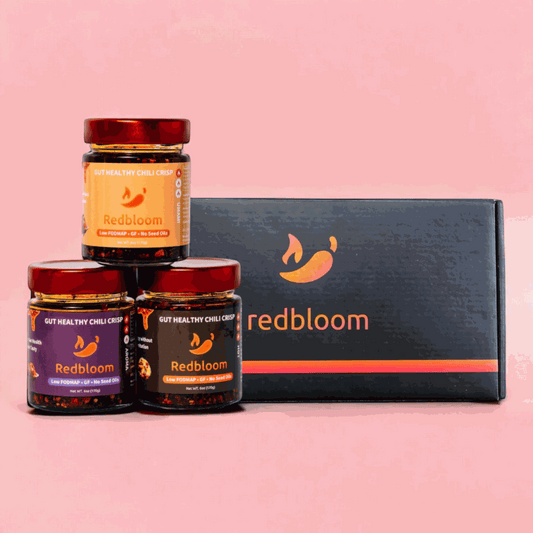
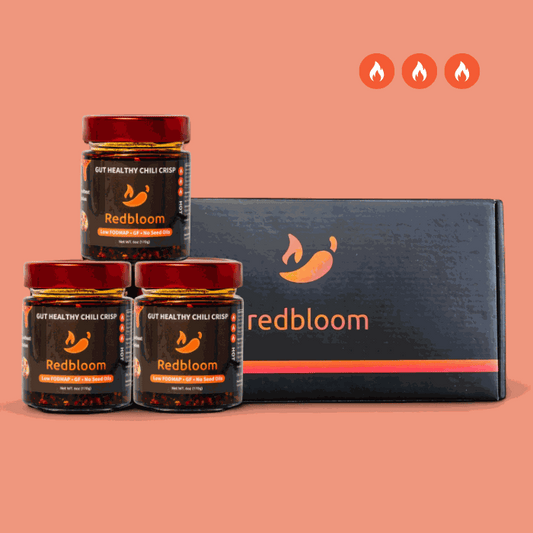
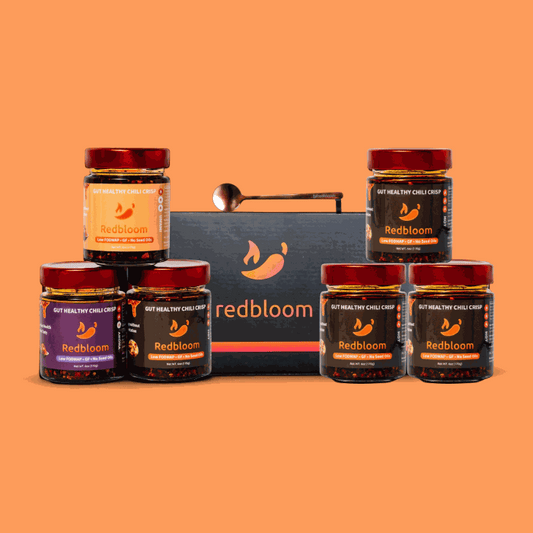
For those interested in building long-term gut resilience while managing period cravings, Redbloom's chili crisp offers a unique approach. Capsaicin is clinically proven to reduce gut sensitivity, but traditional chili products can initially trigger flare-ups. Redbloom addresses this by microencapsulating capsaicin in oleic acid from avocado oil, creating a protective cushion that's gentler on sensitive guts. Our 3-phase protocol (Mild Umami → Medium Aroma → Hot Dopamine) is designed to gradually build tolerance, helping reduce gut hypersensitivity that underlies IBS symptoms. Learn more about Redbloom's approach.
FAQ
1) Can spicy food actually help me get better faster?
While research suggests some plant compounds in spicy foods may have antimicrobial properties, there's no evidence that eating spicy meals speeds recovery from common illnesses [1]. The temporary congestion relief might make you feel better, but it's not shortening your illness.
2) Should I avoid spicy food completely when I have a fever?
Not necessarily, but proceed with caution. Fever can make you more sensitive to heat and increase the risk of dehydration. If you do eat spicy foods, choose milder options and drink plenty of fluids.
3) Is it safe to eat spicy food with a sore throat?
This depends on the cause and severity. Some people find mild heat soothing, while others experience increased irritation. If your throat is severely inflamed or you have strep, stick to gentle foods until symptoms improve.
4) What if I have a stomach bug – should I skip the spice?
Yes, avoid spicy foods during active stomach flu or food poisoning. Your digestive system needs gentle, easy-to-digest foods. Wait until nausea and diarrhea resolve before reintroducing heat.
5) Can building spice tolerance help me handle it better when sick?
Potentially yes. Regular, gradual exposure to capsaicin can desensitize your TRPV1 receptors, making you less reactive to spicy foods even when your system is stressed by illness.
Conclusion
Spicy food when sick isn't inherently good or bad – it depends on your tolerance, the type of illness, and how you approach it. While emerging research hints at potential benefits from certain plant compounds, the immediate effects are more about temporary symptom relief than actual healing. Listen to your body, start gentle, and remember that staying hydrated and rested matters more than any single food choice. When in doubt, save the serious heat for when you're feeling strong again.
Bibliography
[1] Ojha D, Jessop F, Bosio CM et al. Effective inhibition of HCoV-OC43 and SARS-CoV-2 by phytochemicals in vitro and in vivo. International journal of antimicrobial agents (2023). PMID: 37339711 | DOI: 10.1016/j.ijantimicag.2023.106893
Medical Disclaimer: This article is for informational purposes only and is not intended as medical advice. Always consult with a qualified healthcare provider before making dietary changes or if you have a medical condition.