Introduction
Love the idea of dinner out but dread the aftermath? You're not alone. Research shows that the majority of people with IBS believe certain foods trigger their symptoms, making restaurant meals feel like a minefield [1]. The unpredictable nature of dining out, combined with unfamiliar ingredients and cooking methods, can turn what should be an enjoyable experience into a source of anxiety. This article breaks down practical eating out with IBS restaurant tips, from choosing the right establishments to navigating menus confidently, so you can reclaim the joy of dining without the digestive drama.
What Is IBS and How Does It Affect Dining Out?
IBS is a functional gastrointestinal disorder characterized by chronic abdominal pain and altered bowel habits [1]. The key challenge lies in food triggers, which studies show can elicit typical IBS symptoms in most patients [1]. When dining out, this creates a perfect storm of uncertainty.
Unlike cooking at home where you control every ingredient, restaurants present multiple unknowns. Hidden fats, unexpected spices, larger portions, and unfamiliar cooking methods can all activate sensitive digestive systems. Research indicates that foods containing carbohydrates and fat are especially common triggers, along with histamine-releasing items [2].
The stress of not knowing what's in your meal can actually worsen symptoms, creating a cycle where anxiety about eating out makes the physical response even stronger.
Why Restaurant Food Triggers IBS Symptoms
1) Hidden High-FODMAP Ingredients
Many restaurant dishes contain hidden FODMAPs (fermentable carbohydrates that can trigger symptoms). Garlic and onion powder appear in everything from salad dressings to seasoned meats. Even seemingly safe dishes like grilled chicken might be marinated in high-FODMAP ingredients.
- Common culprits: garlic, onion, wheat-based thickeners, high-fructose corn syrup
- Often unlisted on menus but standard in restaurant cooking [1]
2) Larger Portions and Irregular Timing
Restaurant portions are typically much larger than home-cooked meals, and dining out often means eating at different times than usual. Studies show that irregular meal patterns can increase IBS symptom severity, while regular meal routines are associated with reduced odds of IBS symptoms [9].
- Large meals can overwhelm sensitive digestive systems
- Irregular timing disrupts established digestive rhythms [9]
3) Higher Fat Content and Food Preparation Methods
Research identifies foods containing fat as common IBS triggers [2]. Restaurant meals typically contain more oil, butter, and hidden fats than home cooking. Deep frying, heavy sauces, and rich preparations can be particularly problematic for sensitive guts.
- Fried foods and heavy sauces are frequent symptom triggers [2]
- Cooking methods often involve more fat than home preparation
Common IBS Symptoms After Restaurant Meals
Restaurant-triggered IBS symptoms can appear within hours of eating and may include:
- Abdominal pain or cramping
- Bloating and gas
- Diarrhea or constipation
- Nausea
- Urgent need for bathroom access
- General digestive discomfort lasting hours or days
Why Some People Handle Restaurant Food Better
Individual Trigger Variations
Not everyone with IBS reacts to the same foods. While studies show common patterns, individual sensitivities vary widely. Some people tolerate high-fat meals but struggle with fiber, while others have the opposite experience.
Symptom Severity Differences
Research indicates that self-reported food intolerance correlates with higher symptom burden and reduced quality of life [2]. Those with more severe baseline symptoms tend to report more food triggers, creating a heightened sensitivity to restaurant dining.
Stress Response and Gut-Brain Connection
Some individuals have better stress management around food uncertainty. Since anxiety can worsen IBS symptoms, those who feel more relaxed about dining out may experience fewer physical reactions, even when eating potentially triggering foods.
What the Science Says: Key Findings
Clinical research provides valuable insights for managing IBS while dining out [1,3].
FODMAP effectiveness: Studies show that both low-FODMAP diets and traditional IBS dietary advice significantly reduce symptom severity, with about 50% of patients achieving meaningful improvement [3]. This suggests multiple dietary approaches can work.
Individual variation matters: Research on FODMAP reintroduction reveals that not all FODMAPs trigger symptoms in every person [6]. Some individuals can tolerate certain high-FODMAP foods while remaining sensitive to others.
Meal patterns influence symptoms: Studies demonstrate that regular meal routines are associated with reduced IBS occurrence, while irregular eating patterns correlate with increased symptoms [9].
Food triggers are highly individual: Research shows that increasing IBS symptom severity correlates with more food items reported as triggers, but the specific foods vary significantly between individuals [2].
Immediate Strategies for Eating Out
1) Research Menus in Advance
Most restaurants post menus online. Review options ahead of time to identify potentially safe dishes and plan your order without pressure.
2) Call Ahead with Questions
Don't hesitate to call during off-peak hours to ask about ingredients, cooking methods, or modifications. Many restaurants are accommodating when given advance notice.
3) Choose Simpler Preparations
Opt for grilled, baked, or steamed dishes over fried, sauced, or heavily seasoned options. Simple preparations typically contain fewer hidden triggers.
4) Start with Smaller Portions
Order appetizer-sized portions or plan to take half your meal home. This prevents overwhelming your digestive system with large quantities of unfamiliar food.
5) Bring Digestive Support
Pack any supplements or medications your healthcare provider has recommended for symptom management, so you're prepared if needed.
Long-Term Strategies to Build Dining Confidence
1) Keep a Restaurant Food Diary
Track which restaurants, dishes, and ingredients work well for you. Over time, you'll build a personal database of safe options and reliable establishments.
2) Gradually Expand Your Comfort Zone
Once you identify several safe restaurant options, slowly try new dishes or cuisines. This gradual approach helps you build tolerance while minimizing severe reactions.
3) Develop Relationships with Favorite Restaurants
Regular customers often receive better accommodation. When you find restaurants that work well, become a regular and build rapport with staff who understand your needs.
How Redbloom Fits In
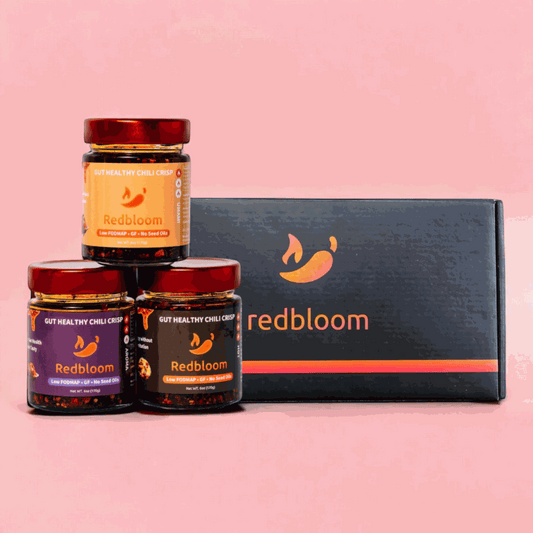
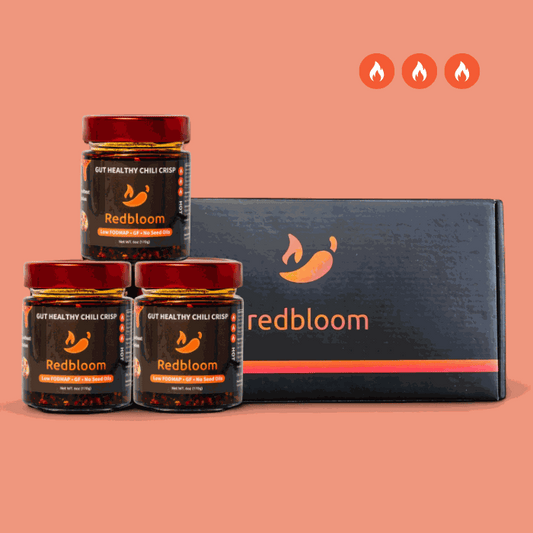
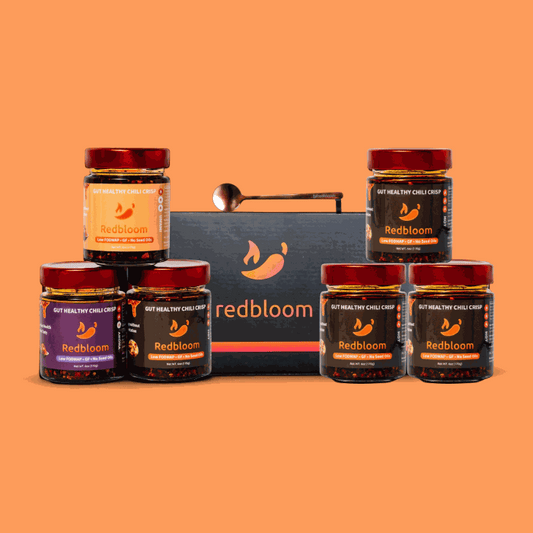
For those interested in building long-term gut resilience, Redbloom's chili crisp offers a unique approach. Capsaicin is clinically proven to reduce gut sensitivity, but traditional chili products can initially trigger flare-ups. Redbloom addresses this by microencapsulating capsaicin in oleic acid from avocado oil, creating a protective cushion that's gentler on sensitive guts. Our 3-phase protocol (Mild Umami → Medium Aroma → Hot Dopamine) is designed to gradually build tolerance, helping reduce gut hypersensitivity that underlies IBS symptoms. Learn more about Redbloom's approach.
FAQ
1) What cuisines are generally safest for IBS?
Mediterranean, Japanese, and simple American cuisines often offer the most IBS-friendly options. These typically feature grilled proteins, rice, and vegetables prepared simply. Avoid cuisines heavy in garlic, onions, or spicy seasonings until you know your triggers [2].
2) Should I tell restaurant staff about my IBS?
You don't need to share medical details, but mentioning food sensitivities can help. Phrases like "I have some food sensitivities" or "I need to avoid garlic and onions" usually get better results than detailed medical explanations.
3) Can I follow a low-FODMAP diet when eating out?
Yes, but it requires planning. Research shows low-FODMAP diets can be effective for IBS management [3]. Focus on simple proteins, rice, potatoes, and vegetables you recognize. Ask about ingredients in sauces and seasonings.
4) What should I do if I have symptoms while dining out?
Stay calm and excuse yourself to the restroom if needed. Focus on slow, deep breathing to help manage both physical symptoms and anxiety. Having a plan for managing symptoms can reduce the stress that often worsens them.
5) How can I enjoy social dining without anxiety?
Choose restaurants where you've had success before, eat a small snack beforehand to avoid arriving overly hungry, and remember that one difficult meal doesn't define your social life. Building confidence takes time and practice.
Conclusion
Dining out with IBS doesn't have to mean choosing between social connection and digestive comfort. By understanding your triggers, planning ahead, and building a toolkit of reliable strategies, you can gradually reclaim the joy of restaurant meals. Start small, be patient with yourself, and remember that managing IBS is a journey, not a destination. With the right approach, you can enjoy both great food and great company without the digestive drama.
Medical Disclaimer: This article is for informational purposes only and is not intended as medical advice. Always consult with a qualified healthcare provider before making dietary changes or if you have a medical condition.