Introduction
Dealing with an IBS flare-up right now? You're not alone, and you don't have to suffer through it forever. Whether it's cramping that won't quit, bloating that makes your clothes tight, or urgent bathroom trips disrupting your day, there's a clear path forward. This IBS flare up recovery plan combines evidence-based strategies that research shows can significantly reduce symptoms within days to weeks. From immediate relief tactics to long-term gut healing approaches, we'll walk through exactly what works, why it works, and how to build lasting resilience against future flare-ups. [1,2,3]
What Is an IBS Flare-Up and How Does It Affect Your Gut?
An IBS flare-up happens when your gut becomes hypersensitive to normal stimuli, triggering exaggerated pain signals to your brain. Think of it like a car alarm that goes off when someone just walks by. Your intestinal nerves overreact to things like certain foods, stress, or hormonal changes, creating the cramping, bloating, and altered bowel habits that define IBS. [1,2]
During a flare, your gut experiences visceral hypersensitivity – meaning the nerves around your digestive tract become overly reactive. This can lead to altered gut motility (how fast or slow things move through your system) and heightened perception of normal gut sensations. [7]
- Nerve oversensitivity: Normal gut activity feels painful or uncomfortable
- Altered motility: Food moves too fast (diarrhea) or too slow (constipation)
- Inflammation response: Your gut lining may become more reactive to triggers
Why IBS Flare-Ups Get Triggered
1) FODMAP Overload
FODMAPs are fermentable carbohydrates that can trigger symptoms in sensitive people. When your gut bacteria rapidly ferment these compounds, they produce gas and draw water into your intestines. Research shows this process significantly worsens IBS symptoms during acute episodes. [1,2,4]
- Common triggers: garlic, onions, beans, certain fruits, wheat
- Symptoms appear within hours of eating trigger foods
2) Gut Microbiota Imbalance
Studies have identified distinct gut microbiota subtypes in IBS patients that respond differently to dietary interventions. An imbalanced microbiome can amplify inflammatory responses and worsen symptom severity during flare-ups. [7,2]
- Reduced beneficial bacteria like Bifidobacterium
- Increased gas-producing bacterial strains
3) Stress and Neural Pathways
The gut-brain connection means psychological stress directly impacts gut sensitivity. Stress hormones can increase intestinal permeability and heighten pain perception, making existing symptoms feel more intense. [1,5]
- Stress amplifies existing gut hypersensitivity
- Creates a cycle where symptoms increase stress, worsening symptoms
Common Signs You're in a Flare-Up
IBS flare-up symptoms can vary between people but typically include: [1,3,10]
- Abdominal pain or cramping that comes and goes
- Bloating and visible abdominal distension
- Sudden changes in bowel habits (diarrhea, constipation, or both)
- Urgent need to use the bathroom
- Gas and feeling of incomplete evacuation
- Nausea or general gut discomfort
Why Some People Recover Faster Than Others
Baseline Symptom Severity
Research suggests that people with more severe baseline symptoms actually respond better to dietary interventions like low-FODMAP diets. This means if you're really struggling, you might see more dramatic improvement once you start the right approach. [1]
Individual Microbiome Patterns
Studies show there are distinct gut microbiota subtypes in IBS patients, and each responds differently to the same interventions. Some people's gut bacteria composition makes them more responsive to dietary changes, while others may need additional approaches. [7]
Stress Management Skills
People who actively manage stress tend to recover faster from flare-ups. The gut-brain connection means that calming your nervous system directly impacts gut sensitivity and healing speed. [5]
What the Science Says: Key Findings
Multiple systematic reviews and meta-analyses provide clear evidence for effective IBS flare-up recovery strategies: [3,4,5,10]
- Low-FODMAP effectiveness: Randomized controlled trials consistently show significant symptom improvement within 2-4 weeks of starting a low-FODMAP diet, with some people seeing relief in days. [1,2,6]
- Probiotic restoration: Studies demonstrate that specific probiotics can restore beneficial Bifidobacterium species while following dietary interventions, supporting faster recovery. [2]
- Personalized responses: Research reveals that symptom severity at baseline can predict who will respond best to dietary interventions, helping tailor recovery approaches. [1,7]
- Long-term success: Real-world studies show that people who stick to evidence-based approaches maintain symptom improvement over months to years. [8]
Immediate Relief Strategies (Days 1-3)
Start these tactics right away to calm your gut and reduce acute symptoms: [1,2,9]
- Begin low-FODMAP elimination: Remove high-FODMAP foods like garlic, onions, beans, and wheat. Focus on safe options like rice, carrots, spinach, and lean proteins. [1,2]
- Stay hydrated with electrolytes: Sip water throughout the day and consider adding a pinch of salt and lemon to replace what you lose during diarrhea episodes.
- Apply heat therapy: A heating pad on your abdomen can help relax intestinal muscles and reduce cramping pain.
- Practice deep breathing: Slow, deep breaths activate your parasympathetic nervous system, which helps calm gut hypersensitivity.
- Eat smaller, frequent meals: Large meals can overwhelm a sensitive gut. Stick to small portions every 3-4 hours.
Long-Term Recovery Strategies (Days 4-7 and Beyond)
These approaches help build lasting gut resilience and prevent future flare-ups: [2,5,8,9]
- Follow structured FODMAP reintroduction: After initial symptom relief, gradually test individual FODMAP groups to identify your personal triggers while expanding your diet safely. [9]
- Consider targeted probiotics: Research shows specific strains like Bifidobacterium can help restore healthy gut bacteria balance, especially when combined with dietary changes. [2,6]
- Build stress management habits: Regular meditation, gentle exercise, or other stress-reduction techniques help maintain gut-brain balance and reduce flare-up frequency. [5]
- Track symptoms and patterns: Keep a simple food and symptom diary to identify your unique triggers and monitor progress over time. [8]
- Maintain gut-supporting nutrients: Focus on easily digestible foods rich in soluble fiber, omega-3s, and other anti-inflammatory compounds as your gut heals.
How Redbloom Fits In
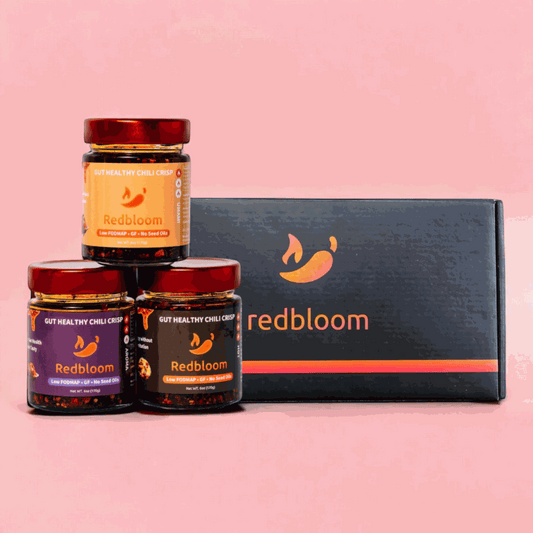
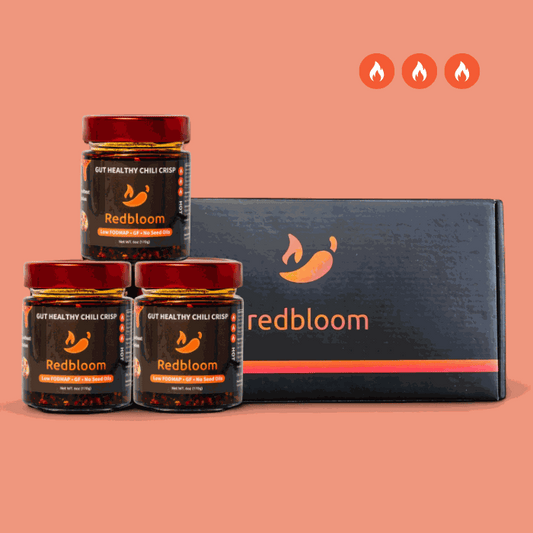
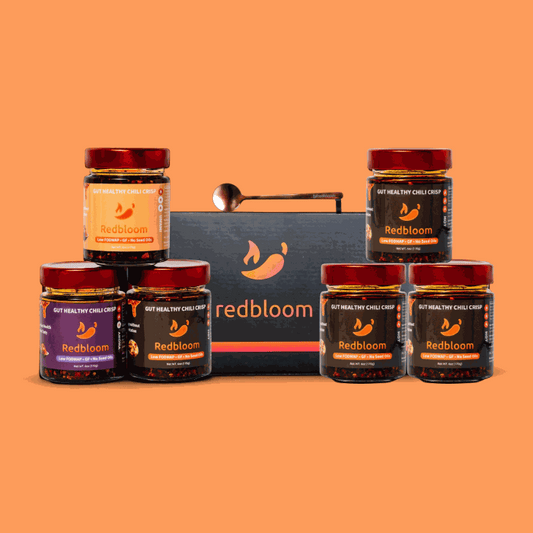
For those interested in building long-term gut resilience, Redbloom's chili crisp offers a unique approach. Capsaicin is clinically proven to reduce gut sensitivity, but traditional chili products can initially trigger flare-ups. Redbloom addresses this by microencapsulating capsaicin in oleic acid from avocado oil, creating a protective cushion that's gentler on sensitive guts. Our 3-phase protocol (Mild Umami → Medium Aroma → Hot Dopamine) is designed to gradually build tolerance, helping reduce gut hypersensitivity that underlies IBS symptoms.
FAQ
1) How long does it take to recover from an IBS flare-up?
Most people see symptom improvement within 2-4 weeks of starting a low-FODMAP diet, with some experiencing relief in just a few days. Research shows that people with more severe baseline symptoms often respond faster to dietary interventions. [1,6] However, full recovery and building long-term resilience can take several months of consistent management.
2) Can I prevent future IBS flare-ups completely?
While you can't prevent all flare-ups, studies show that following evidence-based strategies significantly reduces their frequency and severity. Real-world research demonstrates that people who maintain dietary modifications and stress management techniques experience sustained symptom improvement over time. [8] The key is identifying your personal triggers and building gut resilience.
3) Should I avoid all high-FODMAP foods forever?
No. The research-backed approach involves strict elimination for 2-6 weeks, followed by systematic reintroduction to identify your specific triggers. [9] Many people can tolerate moderate amounts of previously problematic foods once their gut sensitivity decreases and they know their limits.
4) Do probiotics really help during IBS flare-ups?
Studies show that specific probiotic strains, particularly Bifidobacterium species, can help restore gut bacteria balance and support recovery when combined with dietary interventions. [2,6] However, not all probiotics are equally effective, and individual responses vary based on your unique microbiome composition.
5) How do I know if my recovery plan is working?
Track improvements in abdominal pain, bloating, and bowel habits over 1-2 weeks. Research shows that people typically notice reduced symptom severity and improved quality of life within this timeframe when following evidence-based approaches. [1,3] Keep a simple symptom diary to monitor progress objectively.
Conclusion
IBS flare-ups don't have to derail your life. With this evidence-based recovery plan, you have the tools to find relief quickly and build lasting gut resilience. Start with immediate strategies to calm acute symptoms, then focus on long-term approaches that address root causes like gut hypersensitivity and microbiome imbalance. Remember, recovery is a process, not a destination. Be patient with yourself, track your progress, and celebrate small wins along the way. Your gut can heal, and you can get back to enjoying life without constant worry about the next flare-up.
Medical Disclaimer: This article is for informational purposes only and is not intended as medical advice. Always consult with a qualified healthcare provider before making dietary changes or if you have a medical condition.
Bibliography
- Algera J, Störsrud S, Törnblom H, Simrén M. Low FODMAP diet reduces gastrointestinal symptoms in irritable bowel syndrome and clinical response could be predicted by symptom severity: A randomized crossover trial. Clinical Nutrition (2022). DOI: 10.1016/j.clnu.2022.09.015
- Staudacher HM, Lomer MC, Farquharson FM et al. A Diet Low in FODMAPs Reduces Symptoms in Patients With Irritable Bowel Syndrome and A Probiotic Restores Bifidobacterium Species: A Randomized Controlled Trial. Gastroenterology (2017). DOI: 10.1053/j.gastro.2017.06.010
- Wang J, Yang P, Zhang L, Hou X. A Low-FODMAP Diet Improves the Global Symptoms and Bowel Habits of Adult IBS Patients: A Systematic Review and Meta-Analysis. Frontiers in Nutrition (2021). DOI: 10.3389/fnut.2021.683191
- Altobelli E, Del Negro V, Angeletti PM, Latella G. Low-FODMAP Diet Improves Irritable Bowel Syndrome Symptoms: A Meta-Analysis. Nutrients (2017). DOI: 10.3390/nu9090940
- van Lanen AS, de Bree A, Greyling A. Efficacy of a low-FODMAP diet in adult irritable bowel syndrome: a systematic review and meta-analysis. European Journal of Nutrition (2021). DOI: 10.1007/s00394-020-02473-0
- Li P, Huang C, Chen Y et al. Effect of the combined intervention of low‐FODMAPs diet and probiotics on IBS symptoms in Western China: A randomized controlled trial. Food Science & Nutrition (2024). DOI: 10.1002/fsn3.4089
- Vervier K, Moss S, Kumar N et al. Two microbiota subtypes identified in irritable bowel syndrome with distinct responses to the low FODMAP diet. Gut (2022). DOI: 10.1136/gutjnl-2021-325177
- Gravina AG, Dallio M, Romeo M et al. Adherence and Effects Derived from FODMAP Diet on Irritable Bowel Syndrome: A Real Life Evaluation of a Large Follow-Up Observation. Nutrients (2020). DOI: 10.3390/nu12040928
- Dugum M, Barco K, Garg S. Managing irritable bowel syndrome: The low-FODMAP diet. Cleveland Clinic Journal of Medicine (2016). DOI: 10.3949/ccjm.83a.14159
- Khan Z, Muhammad SA, Amin MS, Gul A. The Efficacy of the Low-FODMAP Diet in Irritable Bowel Syndrome: A Systematic Review and Meta-Analysis. Cureus (2025). DOI: 10.7759/cureus.77053