Introduction
If you've been struggling with digestive issues like IBS, bloating, or irregular bowel movements, you've likely heard that gut health is key to feeling better. But here's what many people don't realize: the secret isn't just about adding probiotics to your routine. The real game-changer lies in learning how to increase gut bacteria diversity naturally by feeding the beneficial microbes already living in your digestive system.
Your gut microbiome is like a bustling city filled with trillions of bacterial residents. When this community is diverse and thriving, it acts as a powerful ally in your health journey. Research shows that people with more diverse gut bacteria tend to have better digestive function, stronger immune systems, and even improved mood [1]. The exciting news? You have more control over this internal ecosystem than you might think.
In this article, we'll explore the science-backed strategies that can help you naturally boost your gut bacteria diversity, understand why this matters for your digestive health, and discover simple dietary changes that can make a real difference in how you feel every day.
Why Gut Bacteria Diversity Matters for Your Health
Think of your gut microbiome as a diverse forest ecosystem. Just as a forest with many different species of plants and animals is more resilient and stable, a gut with diverse bacterial populations is better equipped to maintain your health and bounce back from challenges like stress, illness, or dietary changes.
Research reveals that gut bacteria diversity plays a profound role in multiple aspects of human health [1]. When you have a rich variety of beneficial bacteria, they work together like a well-coordinated team. Some bacteria specialize in breaking down fiber into short-chain fatty acids, which are powerful compounds that reduce inflammation throughout your body. Others focus on producing vitamins, supporting your immune system, or maintaining the protective barrier of your intestinal lining.
The Connection to Digestive Disorders
For people dealing with IBS and other gut health issues, bacterial diversity becomes even more critical. Studies show that individuals with digestive disorders often have less diverse microbiomes, with an overabundance of potentially harmful bacteria and a shortage of beneficial species [1]. This imbalance, called dysbiosis, can contribute to symptoms like bloating, irregular bowel movements, and digestive discomfort.
The encouraging news is that your microbiome responds quickly to dietary changes. Research demonstrates that shifts in bacterial populations can occur within just a few days of changing what you eat [5]. This means that the foods you choose today can start influencing your gut health almost immediately.
The Fiber Connection: Feeding Your Beneficial Bacteria
If beneficial bacteria were pets, fiber would be their favorite food. When you eat fiber-rich foods, you're essentially providing a feast for the good bacteria in your gut. These microbes ferment the fiber, transforming it into short-chain fatty acids like butyrate, acetate, and propionate, which serve as powerful signaling molecules throughout your body [7].
International research comparing diets from different cultures reveals a clear pattern: populations consuming high-fiber, plant-rich diets consistently show greater gut bacteria diversity and lower rates of digestive disorders [5]. Traditional diets from Africa and Asia, which emphasize whole grains, legumes, and vegetables, support robust microbiome diversity that appears to protect against many Western diseases.
The Power of Prebiotic Fibers
Not all fibers are created equal when it comes to feeding your gut bacteria. Prebiotic fibers are special types that specifically nourish beneficial bacteria. Inulin, a type of prebiotic fiber found in foods like garlic, onions, and Jerusalem artichokes, has been extensively studied for its ability to promote healthy bacterial growth.
Systematic reviews of human studies show that inulin supplementation consistently increases populations of beneficial bacteria like Bifidobacterium while promoting the production of health-supporting short-chain fatty acids [6]. Even more encouraging, research with children shows that inulin can enhance both the diversity and function of gut microbes, leading to improved metabolic health [9].
Practical Fiber Strategies
The key to successfully increasing your fiber intake is to start gradually and choose a variety of sources. Begin by adding one high-fiber food to each meal, such as berries to your breakfast, beans to your lunch, or roasted vegetables to your dinner. This approach helps prevent digestive discomfort while giving your bacteria time to adapt and flourish.
Focus on diversity rather than quantity initially. Different types of fiber feed different bacterial species, so eating a rainbow of plant foods throughout the week will support a more diverse microbiome than eating large amounts of just one or two fiber sources.
Plant-Based Foods: The Microbiome Diversity Champions
Research consistently shows that plant-based dietary patterns are among the most effective ways to promote gut bacteria diversity. A comprehensive review of vegan diets and gut health found that people following plant-rich eating patterns have markedly different microbiomes compared to those eating standard Western diets [10].
Plant foods provide a complex mixture of fibers, polyphenols, and other compounds that beneficial bacteria love. Each plant species offers a unique combination of nutrients that feed different bacterial populations, which is why dietary diversity is so important for microbiome health.
The Polyphenol Advantage
Beyond fiber, plants provide polyphenols, which are powerful compounds that many beneficial bacteria can metabolize into health-promoting molecules. Foods rich in polyphenols include berries, green tea, dark chocolate, and colorful vegetables. These compounds not only feed good bacteria but also help reduce inflammation and support the gut barrier function.
Interestingly, research suggests that the benefits of polyphenol-rich foods depend partly on having the right bacteria to process them [10]. This creates a positive feedback loop: eating diverse plant foods supports diverse bacteria, which in turn allows you to extract more benefits from the plant compounds you consume.
Practical Plant Diversity Tips
Aim to eat at least 30 different plant foods each week, including fruits, vegetables, nuts, seeds, legumes, and whole grains. This might sound challenging, but it's easier than you think when you start counting herbs, spices, and small additions like seeds sprinkled on salads or different varieties of the same food.
Try the "rainbow approach" by including different colored plant foods in your meals. The pigments that give plants their colors often indicate different types of beneficial compounds that support various bacterial species in your gut.
Fermented Foods: Adding Beneficial Bacteria to Your Diet
While feeding existing bacteria is crucial, introducing new beneficial bacteria through fermented foods can also support microbiome diversity. Traditional fermented foods like yogurt, kefir, sauerkraut, kimchi, and miso contain live bacteria that can temporarily colonize your gut and interact with your existing microbiome.
Research on fermented foods reveals that they can influence gut bacteria composition and may help reduce inflammation markers [3]. However, it's important to understand that most bacteria from fermented foods don't permanently colonize your gut. Instead, they act more like temporary visitors that can influence your microbiome while they're passing through.
Choosing Quality Fermented Foods
Not all fermented foods provide the same benefits. Look for products that contain live, active cultures and haven't been pasteurized, which kills the beneficial bacteria. Reading labels is important, as many commercial fermented foods are highly processed and may not contain significant amounts of live bacteria.
Start with small amounts of fermented foods and gradually increase your intake. Some people, especially those with sensitive digestive systems, may need to introduce fermented foods slowly to avoid temporary digestive discomfort.
Lifestyle Factors That Support Microbiome Diversity
Diet is the most powerful tool for shaping your microbiome, but other lifestyle factors also play important roles in maintaining bacterial diversity. Chronic stress, for example, can negatively impact gut bacteria populations and reduce overall diversity [4].
Research with athletes shows that physical and emotional stress can alter gut bacteria composition, sometimes reducing beneficial species while increasing potentially harmful ones [4]. This highlights the importance of stress management techniques like regular exercise, adequate sleep, and mindfulness practices for supporting gut health.
The Exercise Connection
Moderate exercise appears to support gut bacteria diversity, while excessive exercise stress can have the opposite effect. Regular physical activity promotes the production of short-chain fatty acids and supports the growth of beneficial bacteria species [4].
The key is finding the right balance. Gentle activities like walking, yoga, or moderate strength training can support gut health, while excessive high-intensity exercise without adequate recovery may temporarily disrupt your microbiome.
How Redbloom Chili Crisp Supports Your Gut Health Journey
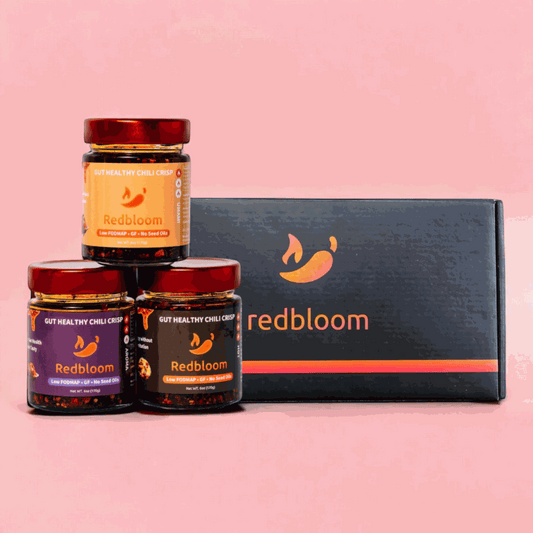
As you work to increase gut bacteria diversity naturally, incorporating foods that support digestive health can be a delicious part of your strategy. Redbloom's chili crisp contains capsaicin from chili peppers, which research suggests may help support digestive comfort for some people with sensitive stomachs.
Capsaicin works by interacting with TRPV1 receptors in your digestive tract. While this initially creates a warming sensation, studies indicate that regular, moderate exposure may help some people experience less digestive discomfort over time through a process called desensitization. Additionally, the MCT oil in Redbloom's formula provides easily digestible fats that can support nutrient absorption.
The beauty of adding Redbloom chili crisp to your meals is that it makes it easier and more enjoyable to eat the diverse, plant-rich foods that your gut bacteria love. A small spoonful can transform simple steamed vegetables, whole grain bowls, or legume-based dishes into flavorful meals you'll actually want to eat regularly.
Frequently Asked Questions
Q: How quickly can I increase gut bacteria diversity naturally?
A: Research shows that gut bacteria populations can begin shifting within 2-4 days of dietary changes, but meaningful diversity improvements typically take several weeks to months of consistent healthy eating [5]. The key is maintaining diverse, fiber-rich dietary patterns rather than expecting overnight changes.
Q: Can I take probiotics instead of changing my diet?
A: While probiotics can be helpful, research indicates that your starting microbial profile determines how well you respond to probiotic supplements [1]. Dietary changes that feed existing beneficial bacteria through fiber and diverse plant foods appear to be more effective for long-term microbiome diversity than probiotics alone.
Q: Will increasing fiber intake worsen my IBS symptoms?
A: Some people with IBS may initially experience increased symptoms when adding fiber, but research suggests that gradual increases in diverse fiber sources often lead to improvement over time [1]. Start with small amounts and consider working with a healthcare provider to find the approach that works best for your specific situation.
Q: Are fermented foods safe for everyone?
A: Most fermented foods are safe for healthy individuals, but people with compromised immune systems or certain medical conditions should consult their healthcare provider before adding fermented foods to their diet [3]. Start with small amounts to see how your body responds.
Q: How many different plant foods should I eat each week?
A: Research suggests that eating at least 30 different plant foods per week supports optimal gut bacteria diversity [10]. This includes fruits, vegetables, nuts, seeds, legumes, whole grains, herbs, and spices. Variety is more important than large quantities of just a few foods.
Q: Can stress really affect my gut bacteria?
A: Yes, research shows that chronic stress can reduce gut bacteria diversity and alter the balance between beneficial and potentially harmful bacteria [4]. Managing stress through exercise, sleep, and relaxation techniques can support your microbiome health alongside dietary changes.
Key Takeaways
-
Diversity is key: Eating at least 30 different plant foods weekly supports the widest range of beneficial bacteria and promotes optimal gut health [10].
-
Fiber feeds good bacteria: Prebiotic fibers like inulin create short-chain fatty acids that reduce inflammation and support digestive function [6][7].
-
Changes happen quickly: Your gut bacteria can begin responding to dietary changes within days, making consistent healthy choices immediately beneficial [5].
-
Whole foods work best: Research consistently shows that diverse, minimally processed plant foods are more effective than supplements alone for building microbiome diversity [1][5].
-
Lifestyle matters too: Managing stress, getting adequate sleep, and moderate exercise all support the dietary changes you're making for better gut health [4].
Conclusion
Learning how to increase gut bacteria diversity naturally doesn't require complicated protocols or expensive supplements. The research is clear: consistent consumption of diverse, fiber-rich plant foods provides the foundation for a thriving microbiome that can support better digestive health and overall wellbeing.
Remember that building microbiome diversity is a gradual process. Start with small, sustainable changes like adding one new plant food to your meals each day or incorporating a serving of fermented foods into your routine. Your gut bacteria will respond to these consistent, positive choices, potentially leading to improvements in digestive comfort and overall health.
The journey to better gut health is personal, and what works best may vary from person to person. By focusing on the evidence-based strategies outlined in this article and listening to your body's responses, you can develop an approach that supports your unique microbiome and helps you feel your best.
Medical Disclaimer: This article is for informational purposes only and is not intended as medical advice. Always consult with a qualified healthcare provider before making dietary changes or if you have a medical condition.
References
[1] Hills RD, Pontefract BA, Mishcon HR et al. Gut Microbiome: Profound Implications for Diet and Disease. Nutrients. 2019. DOI: 10.3390/nu11071613
[2] Pilla R, Suchodolski JS. The Gut Microbiome of Dogs and Cats, and the Influence of Diet. The Veterinary clinics of North America. Small animal practice. 2021. DOI: 10.1016/j.cvsm.2021.01.002
[3] Borrego-Ruiz A, Borrego JJ. Nutritional and Microbial Strategies for Treating Acne, Alopecia, and Atopic Dermatitis. Nutrients. 2024. DOI: 10.3390/nu16203559
[4] Clark A, Mach N. Exercise-induced stress behavior, gut-microbiota-brain axis and diet: a systematic review for athletes. Journal of the International Society of Sports Nutrition. 2016. DOI: 10.1186/s12970-016-0155-6
[5] Wilson AS, Koller KR, Ramaboli MC et al. Diet and the Human Gut Microbiome: An International Review. Digestive diseases and sciences. 2020. DOI: 10.1007/s10620-020-06112-w
[6] Le Bastard Q, Chapelet G, Javaudin F et al. The effects of inulin on gut microbial composition: a systematic review of evidence from human studies. European journal of clinical microbiology & infectious diseases : official publication of the European Society of Clinical Microbiology. 2020. DOI: 10.1007/s10096-019-03721-w
[7] Ikeda T, Nishida A, Yamano M et al. Short-chain fatty acid receptors and gut microbiota as therapeutic targets in metabolic, immune, and neurological diseases. Pharmacology & therapeutics. 2022. DOI: 10.1016/j.pharmthera.2022.108273
[8] Gautam R, Maan P, Patel AK et al. Unveiling the complex interplay between gut microbiota and polycystic ovary syndrome: A narrative review. Clinical nutrition (Edinburgh, Scotland). 2024. DOI: 10.1016/j.clnu.2024.10.028
[9] Visuthranukul C, Sriswasdi S, Tepaamorndech S et al. Enhancing gut microbiota and microbial function with inulin supplementation in children with obesity. International journal of obesity (2005). 2024. DOI: c
[10] Sakkas H, Bozidis P, Touzios C et al. Nutritional Status and the Influence of the Vegan Diet on the Gut Microbiota and Human Health. Medicina (Kaunas, Lithuania). 2020. DOI: 10.3390/medicina56020088