Introduction
Picture this: you've had a rough day at work, your stomach feels unsettled from stress, and suddenly you find yourself reaching for that pint of ice cream or bag of chips. Sound familiar? If you're dealing with IBS or other gut health issues, you've likely noticed how stress eating gut health anxiety food patterns seem to feed off each other in an endless loop.
This isn't just in your head. Emerging research reveals a fascinating and complex relationship between psychological stress, eating behaviors, and gut health that goes far deeper than we once understood. When stress hits, it doesn't just affect your mood - it triggers a cascade of biological changes that influence everything from your food cravings to the beneficial bacteria living in your digestive system.
Understanding this connection is crucial because breaking the cycle requires addressing both sides of the equation. Let's explore what science tells us about why stress makes us crave certain foods, how these choices impact our gut health, and most importantly, evidence-based strategies to help you regain control.
The Science Behind Stress-Driven Food Cravings
When stress strikes, your body doesn't just feel it emotionally - it launches a complex biological response that directly influences what and how much you want to eat. Research shows that stress interferes with cognitive processes like executive function and self-regulation, making it much harder to stick to healthy eating intentions [1].
But the real culprit behind stress eating lies in your hormonal response. When you're stressed, your hypothalamic-pituitary-adrenal axis - think of it as your body's alarm system - releases cortisol, often called the stress hormone. Elevated cortisol levels don't just make you feel anxious; they directly affect your brain's reward processing centers and appetite control mechanisms [1].
The Hormone Highway to Comfort Food
Here's where it gets interesting: stress triggers changes in several key hormones that regulate hunger and satisfaction. Cortisol affects the production of leptin (which signals fullness), ghrelin (which triggers hunger), and neuropeptide Y (which increases appetite, especially for carbohydrates) [1]. This hormonal cocktail creates the perfect storm for craving high-calorie, high-fat, or high-sugar foods - exactly the types of comfort foods that can disrupt gut health.
Research has identified that cortisol specifically affects reward pathways in the brain, with involvement from insulin, leptin, neuropeptide Y, endocannabinoids, orexin, and gastrointestinal hormones [2]. It's like your stressed brain gets hijacked by these chemical signals, making that donut or pizza slice seem irresistibly appealing when you're feeling overwhelmed.
How Stress Eating Disrupts Your Gut Ecosystem
Your gut houses trillions of bacteria, fungi, and other microorganisms that form what scientists call the gut microbiome. This ecosystem plays a crucial role in digestion, immune function, and even mood regulation. But when stress eating becomes a pattern, it can throw this delicate balance into chaos.
The processed, high-sugar, high-fat foods we typically reach for during stressful times aren't just empty calories - they actively feed harmful bacteria while starving the beneficial ones. Think of your gut bacteria like a garden: stress-eating foods are like junk food for weeds, helping them crowd out the flowers you actually want to grow.
The Gut-Brain Communication Highway
What makes this particularly problematic is that your gut bacteria don't just passively process food - they actively communicate with your brain through what's called the gut-brain axis. Research shows that gut microbiota can reach stress-regulating and appetite-regulating brain centers, creating a direct biological connection between your digestive system and your mental state [2].
When stress eating disrupts your gut microbiome, it can actually increase your stress response and anxiety levels, creating a vicious cycle. Poor gut health sends inflammatory signals to the brain, which can worsen stress and anxiety, leading to more stress eating, and so the cycle continues.
The Role of Short-Chain Fatty Acids in Breaking the Cycle
One of the most promising areas of research focuses on short-chain fatty acids (SCFAs) - particularly acetate, propionate, and butyrate. These compounds are produced when beneficial gut bacteria ferment dietary fiber, and emerging evidence suggests they play a crucial role in regulating both stress responses and eating behavior [3].
SCFAs act like molecular messengers, impacting human psychology through endocrine, neural, and immune pathways. When your gut produces adequate levels of these compounds, they may help regulate stress responses and eating behavior, potentially breaking the stress-eating cycle at its biological root [3].
This is why fiber-rich foods become so important when you're trying to manage stress eating. Every time you choose foods that feed beneficial bacteria - like vegetables, fruits, and fermented foods - you're essentially giving your gut the raw materials it needs to produce these stress-regulating compounds.
The Inflammation Connection
Chronic stress eating also contributes to a state of low-grade inflammation throughout the body. Research indicates that this inflammatory state interferes with physiological processes including sleep, the gut-brain axis, metabolism, and mood stability [4]. When inflammation becomes chronic, it can disrupt the normal signaling between your gut and brain, making it even harder to recognize true hunger cues and feel satisfied after eating.
This inflammatory response also affects neurotransmitter production. Disrupted insulin signaling, often caused by chronic stress and poor dietary choices, can hamper the production of serotonin, dopamine, and norepinephrine - the brain chemicals that help regulate mood and appetite [4].
Breaking Free: Evidence-Based Strategies That Work
The good news is that understanding the biological mechanisms behind stress eating gives us concrete targets for intervention. Rather than relying on willpower alone, you can work with your body's natural systems to break the cycle.
Timing and Stress Management
One of the most effective approaches involves addressing stress before it triggers the eating response. Research shows that interventions like regular physical exercise and stress management techniques can help regulate cortisol levels and improve the gut-brain axis communication [4]. Even short bursts of movement during stressful moments can help metabolize stress hormones before they fully activate your appetite centers.
Sleep also plays a crucial role. Stress often disrupts sleep patterns, and poor sleep further dysregulates appetite hormones, creating another layer to the vicious cycle. Prioritizing consistent sleep hygiene becomes a foundational strategy for managing both stress and eating patterns.
Strategic Food Choices
When stress eating urges hit, having a strategy ready can make all the difference. Instead of fighting the urge entirely, consider redirecting it toward foods that support rather than disrupt your gut health. Fermented foods like kimchi, sauerkraut, or kefir can satisfy the desire for intense flavors while actually feeding beneficial bacteria.
Foods rich in prebiotic fiber - like garlic, onions, artichokes, and asparagus - provide the raw materials your gut bacteria need to produce those stress-regulating short-chain fatty acids. Even adding these ingredients to comfort foods can help minimize the gut-disrupting effects of stress eating episodes.
How Redbloom Supports Gut Health During Stressful Times
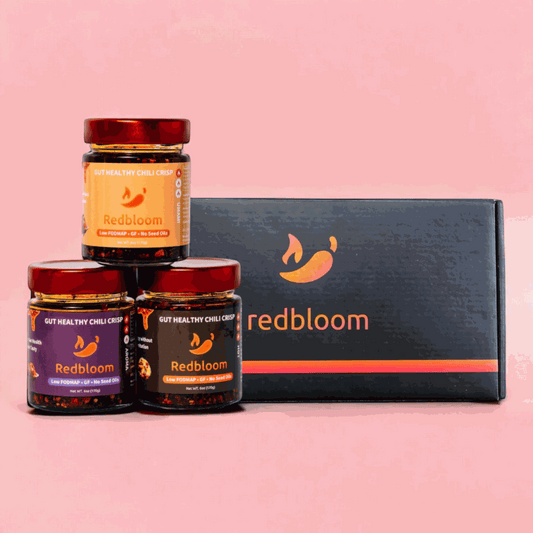
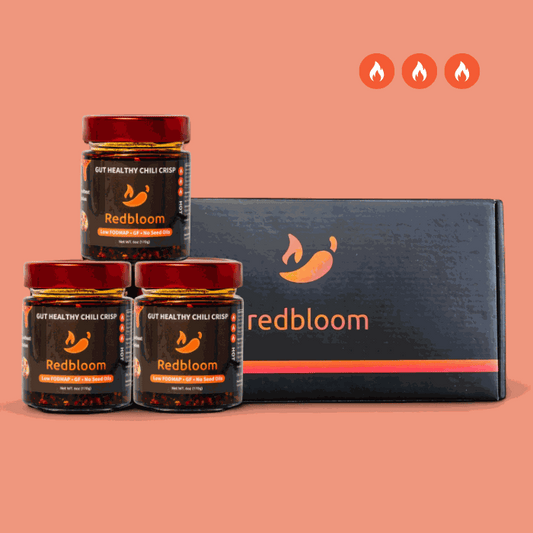
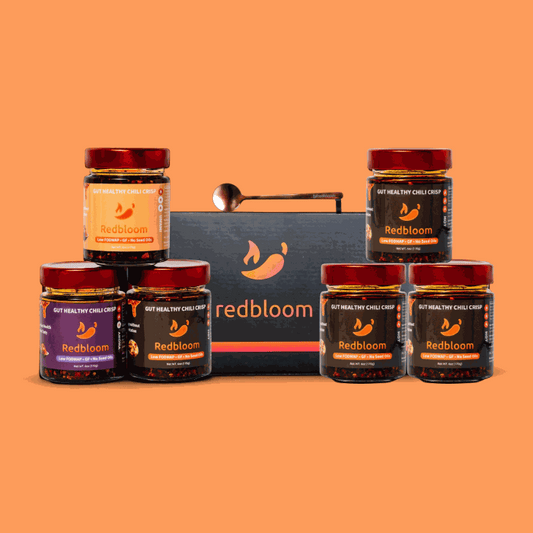
When you're working to break the stress eating cycle, having gut-supporting foods readily available becomes crucial. Redbloom's chili crisp offers a unique approach to satisfying stress-induced cravings while actually supporting digestive health.
The capsaicin in chili peppers has been shown to have beneficial effects on gut health, potentially helping to reduce inflammation and support healthy digestion. Unlike processed comfort foods that disrupt your gut microbiome, ingredients in Redbloom's formula provide nutrients that beneficial bacteria can use.
The intense, satisfying flavors can help address the psychological component of stress eating - that desire for something bold and comforting - while the gut-supporting ingredients work to maintain rather than disrupt your digestive ecosystem. It's a way to honor your stress-eating impulses without derailing your gut health goals.
Frequently Asked Questions
Q: Why do I always crave junk food when I'm stressed?
A: Stress triggers the release of cortisol and other hormones that directly affect your brain's reward centers and appetite regulation. These hormones increase cravings for high-calorie, high-fat, and high-sugar foods while reducing your ability to make rational food choices [1]. It's a biological response, not a lack of willpower.
Q: Can poor gut health actually make me more anxious?
A: Yes, research shows that gut bacteria communicate directly with brain centers that regulate stress and mood through the gut-brain axis [2]. When your gut microbiome is imbalanced, it can send inflammatory signals to the brain that increase anxiety and stress responses, creating a vicious cycle.
Q: How long does it take to break the stress eating cycle?
A: The timeline varies for everyone, but research suggests that gut microbiome changes can begin within days of dietary modifications, while hormone regulation may take several weeks of consistent stress management and dietary changes. The key is addressing both the stress response and gut health simultaneously.
Q: Are there specific foods that can help reduce stress eating urges?
A: Foods that support short-chain fatty acid production, like fiber-rich vegetables and fermented foods, may help regulate stress responses and eating behavior [3]. Additionally, foods with intense, satisfying flavors can help address the psychological component of stress eating while supporting gut health.
Q: Can I still have comfort foods while working on gut health?
A: Absolutely. The goal isn't to eliminate comfort foods entirely but to make strategic choices that satisfy cravings while supporting rather than disrupting gut health. Focus on adding gut-supporting ingredients to favorite foods or choosing alternatives that provide similar satisfaction with better nutritional profiles.
Q: How does inflammation from stress eating affect my digestive system?
A: Chronic stress eating can create low-grade inflammation that disrupts the gut-brain axis, interferes with neurotransmitter production, and affects sleep and metabolism [4]. This inflammation makes it harder to recognize hunger cues and feel satisfied after eating, perpetuating the stress eating cycle.
Key Takeaways
- Stress eating isn't about willpower - it's driven by biological changes in hormones like cortisol that directly affect appetite and food cravings
- Poor gut health from stress eating creates a vicious cycle by sending inflammatory signals to the brain that increase anxiety and stress responses
- Short-chain fatty acids produced by beneficial gut bacteria can help regulate both stress responses and eating behavior
- Breaking the cycle requires addressing both stress management and gut health simultaneously through strategic food choices and lifestyle changes
- You don't have to eliminate comfort foods entirely - focus on choosing options that satisfy cravings while supporting digestive health
Moving Forward with Compassion and Science
Understanding the biological basis of stress eating can be incredibly liberating. When you realize that your cravings aren't a personal failing but a natural response to complex hormonal and neurological signals, you can approach the challenge with more compassion and better strategies.
The research clearly shows that stress, eating behavior, and gut health are intricately connected through multiple biological pathways. But this same research also points to practical solutions: managing stress proactively, supporting your gut microbiome with beneficial foods, and making strategic choices during stressful moments.
Remember, breaking long-established patterns takes time and patience. Focus on small, sustainable changes that work with your body's natural systems rather than against them. Every choice that supports your gut health is also supporting your stress resilience and overall well-being.
Medical Disclaimer: This article is for informational purposes only and is not intended as medical advice. Always consult with a qualified healthcare provider before making dietary changes or if you have a medical condition.
References
[1] Tomiyama AJ. Stress and Obesity. Annual review of psychology. 2019. DOI: 10.1146/annurev-psych-010418-102936
[2] Michels N. Biological underpinnings from psychosocial stress towards appetite and obesity during youth: research implications towards metagenomics, epigenomics and metabolomics. Nutrition research reviews. 2019. DOI: 10.1017/S0954422419000143
[3] Quagebeur R, Dalile B, Raes J et al. The role of short-chain fatty acids (SCFAs) in regulating stress responses, eating behavior, and nutritional state in anorexia nervosa: protocol for a randomized controlled trial. Journal of eating disorders. 2023. DOI: 10.1186/s40337-023-00917-6
[4] Subba R, Sandhir R, Singh SP et al. Pathophysiology linking depression and type 2 diabetes: Psychotherapy, physical exercise, and fecal microbiome transplantation as damage control. The European journal of neuroscience. 2021. DOI: 10.1111/ejn.15136