Introduction
Ever notice your stomach feels off after chugging ice water with a meal? You're not imagining things. The temperature of what you drink can actually impact how well your digestive system works. While cold water might feel refreshing, research suggests it may modestly and briefly slow gastric emptying, particularly for people with IBS, functional dyspepsia, achalasia, or gastritis. Room temperature water, on the other hand, appears to support your digestive tract's natural rhythm. This article breaks down what science tells us about water temperature and digestion, why cold drinks can trigger gut issues in sensitive individuals, and simple strategies to optimize your hydration for better digestive comfort.
What Is Water Temperature's Effect on Digestion?
When you drink cold water, your digestive system adjusts that liquid to body temperature within minutes before it can be properly processed. Interestingly, cold water slightly increases rather than decreases metabolic rate as your body warms it up. This temperature adjustment can affect the smooth muscle contractions in your stomach and intestines that move food along.
For people with sensitive digestive systems, cold drinks may temporarily alter normal digestive patterns. Research shows that cold beverages can modestly slow the rate at which food empties from your stomach, though this effect is typically brief [5].
Room temperature water, by contrast, doesn't require this temperature adjustment. Your digestive organs can focus on their main job of breaking down and absorbing nutrients without the modest metabolic increase needed to warm cold liquids.
Why Cold Water May Affect Digestive Function
1) Altered Gastric Motility
Cold beverages can temporarily change how your stomach muscles contract in sensitive individuals. The effect appears to be most pronounced in people with existing digestive conditions like IBS or functional dyspepsia [5].
- Temporary changes in coordination between stomach and small intestine
- Increased risk of delayed emptying in sensitive individuals
2) Modest Delays in Gastric Emptying
Studies on cold water temperature and esophageal function show that temperature can affect digestive motility, though the effects are generally modest and temporary [5]. This delay means food may sit slightly longer in your stomach in sensitive individuals, potentially leading to bloating or discomfort.
- Changes in intragastric food distribution and pyloric motility
- Temporary alterations in normal digestive timing
3) Nervous System Sensitivity
In people with digestive sensitivities, cold beverages may affect the nervous system pathways that control digestion. The vagus nerve, which helps coordinate digestive function, may respond differently to temperature changes in sensitive individuals [6]. This can lead to temporary miscommunication between your brain and gut.
- Altered sensitivity to digestive hormones and signals in sensitive individuals
- Temporary disruption of digestive coordination
Common Symptoms of Cold Water Digestive Issues
If cold water is affecting your digestion, you might notice:
- Bloating or feeling overly full after meals
- Stomach discomfort or cramping
- Nausea, especially during or after exercise
- Slower recovery from meals
- Increased burping or gas
Why Some People Are More Sensitive
Not everyone reacts the same way to cold water. Your individual response depends on several factors.
Existing gut conditions: If you have IBS, gastroparesis, functional dyspepsia, achalasia, or gastritis, your system may be more sensitive to temperature changes. The nerves controlling your gut might already be hypersensitive, making cold beverages more disruptive.
Exercise timing: Athletes and active people often notice cold water effects more during workouts. Exercise already redirects blood flow away from digestion, and adding temperature changes can compound the problem [2].
Stress levels: Chronic stress affects how your digestive system responds to additional challenges like temperature changes. If you're already dealing with life stress, cold water might tip the balance toward digestive discomfort.
What the Science Says: Key Findings
Studies have examined how temperature affects digestive function, with findings suggesting modest effects primarily in sensitive individuals.
Temperature and esophageal function: Research using different water temperatures found that temperature can affect esophageal motor function, with implications for overall digestive coordination [5]. The effects are measurable but generally modest in healthy individuals.
Exercise and temperature interactions: Studies on athletes show that meal temperature affects gastric emptying during exercise, with cooler temperatures generally slowing the process [2]. This has practical implications for sports nutrition and workout timing.
Individual variation: Research demonstrates significant individual variation in temperature sensitivity, with some people showing minimal effects while others experience more noticeable changes in digestive comfort [5].
Immediate Strategies for Better Hydration
1) Choose room temperature water: Keep water at or near body temperature, especially with meals. This reduces any temperature-related effects on your digestive system.
2) Sip, don't chug: Large volumes of any temperature liquid can overwhelm your stomach. Take smaller, frequent sips throughout the day rather than drinking large amounts at once.
3) Time your hydration: Drink most of your water between meals rather than during eating. This prevents diluting digestive enzymes and reduces the volume your stomach has to process alongside food.
4) Warm up gradually: If you prefer cooler drinks, let them come closer to room temperature before drinking, or add a small amount of warm water to moderate the temperature.
Long-Term Strategies to Support Digestive Function
1) Build consistent hydration habits: Regular, moderate water intake throughout the day supports overall digestive health better than sporadic large amounts. Your system functions best with steady, predictable input.
2) Monitor your individual response: Keep track of how different water temperatures affect your digestion. Some people are more sensitive than others, and your optimal temperature might be slightly cool rather than ice-cold or room temperature.
3) Support overall gut health: Good digestion depends on more than just water temperature. Regular meals, adequate fiber, stress management, and avoiding known triggers all contribute to better digestive resilience.
How Redbloom Fits In
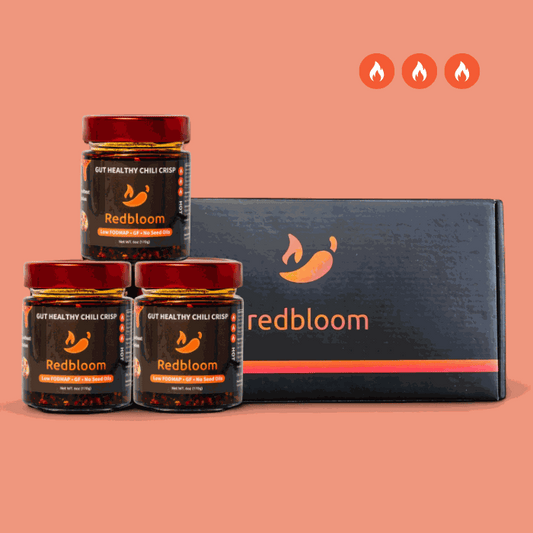
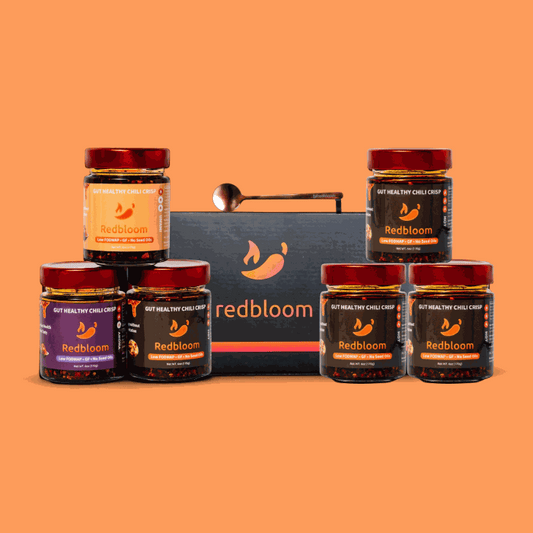
For those interested in building long-term gut resilience, Redbloom's chili crisp offers a unique approach. Capsaicin is clinically proven to reduce gut sensitivity, but traditional chili products can initially trigger flare-ups. Redbloom addresses this by microencapsulating capsaicin in oleic acid from avocado oil, creating a protective cushion that's gentler on sensitive guts. Our 3-phase protocol (Mild Umami → Medium Aroma → Hot Dopamine) is designed to gradually build tolerance, helping reduce gut hypersensitivity that underlies IBS symptoms. Learn more about Redbloom's approach.
FAQ
1) Is room temperature water always better than cold water?
For people with digestive sensitivities like IBS, functional dyspepsia, or gastritis, room temperature water may be more comfortable. Room temperature water doesn't require metabolic energy to warm up and may avoid modest delays in gastric emptying [5]. However, if you don't experience digestive issues with cold water, the difference may not be significant for you.
2) Can I drink cold water if I wait between meals?
Timing does matter. Cold water consumed away from meals is less likely to affect digestion since your stomach isn't actively processing food. The main concern is when cold liquids might temporarily slow gastric emptying during active digestion [2,5].
3) Does this apply to other cold beverages too?
Yes, the temperature effect applies to any cold liquid. However, some beverages like iced coffee or cold smoothies have additional factors (caffeine, fiber, fat content) that can also affect digestion independent of temperature.
4) How quickly does water temperature affect digestion?
Research shows that temperature effects on digestive function can begin relatively quickly but are typically brief and modest [5]. The effects are generally immediate and temporary rather than cumulative.
5) What if I exercise in hot weather and crave cold water?
For hydration during intense exercise, especially in heat, the benefits of fluid replacement may outweigh temperature concerns. Consider slightly cool rather than ice-cold water, or alternate between cool and room temperature fluids to balance comfort with digestive function [2].
Conclusion
Your digestive system works best when it doesn't have to manage additional challenges like temperature adjustments. While cold water won't permanently damage your gut, choosing room temperature water (especially with meals) can support smoother digestion and reduce uncomfortable symptoms, particularly for people with IBS, functional dyspepsia, achalasia, or gastritis. Pay attention to your body's signals, make gradual changes, and remember that small adjustments in your hydration habits can make a meaningful difference in how you feel after eating.
Medical Disclaimer: This article is for informational purposes only and is not intended as medical advice. Always consult with a qualified healthcare provider before making dietary changes or if you have a medical condition.
Bibliography
[2] Moses FM. The effect of exercise on the gastrointestinal tract. Sports medicine (Auckland, N.Z.). 1990. PMID: 2180030 | DOI: 10.2165/00007256-199009030-00004
[5] Choi YJ, Park MI, Park SJ et al. The effect of water bolus temperature on esophageal motor function as measured by high-resolution manometry. Neurogastroenterology and motility. 2014. PMID: 25307526 | DOI: 10.1111/nmo.12441
[6] Thompson DG, Richelson E, Malagelada JR. Perturbation of gastric emptying and duodenal motility through the central nervous system. Gastroenterology. 1982. PMID: 7129028