Introduction
Ever notice how you suddenly crave hot sauce, chili crisp, or spicy takeout right before your period? You're not alone. Many people experience intense food cravings during their menstrual cycle, reaching for everything from jalapeño chips to fiery curries. While we often hear about chocolate and sweet cravings, the desire for heat and spice is equally common. This article explores what science reveals about how hormones influence food cravings during your cycle, examines whether these patterns might extend to spicy foods specifically, and offers practical strategies for managing them in a gut-friendly way.
What Are Period Cravings and How Do They Affect Your Body?
Period cravings are intense desires for specific foods that occur in relation to your menstrual cycle. They typically peak during the premenstrual phase, when estrogen and progesterone levels fluctuate dramatically. Research suggests these cravings may be linked to inflammation, hormonal changes, and altered brain chemistry during different cycle phases [4].
Unlike everyday hunger, period cravings feel more urgent and specific. Your brain's reward system becomes more active, making certain flavors – including spicy, salty, and sweet foods – feel especially appealing. Studies show that women with premenstrual syndrome experience consistently higher levels of specific hunger throughout their cycles, with increased carbohydrate and sweet food consumption during the late luteal phase [6].
Interestingly, research on capsaicin (the compound that makes peppers hot) shows it can bind the estrogen receptor and enhance estradiol binding [3], though the implications for food cravings remain to be studied.
Why Spicy Food Cravings May Peak During Your Period
1) Progesterone's Protective Effect
Research reveals that higher progesterone levels during the mid-luteal phase are actually associated with fewer food cravings overall [5]. When progesterone drops sharply before menstruation begins, this protective effect disappears. The sudden hormonal shift may trigger intense cravings for specific flavors, potentially including spicy foods.
Key findings from hormone studies:
- Higher mid-luteal progesterone correlates with reduced premenstrual cravings [5]
- Estradiol levels showed no significant effect on food cravings [5]
- The timing suggests progesterone withdrawal, not estrogen, drives craving intensity
2) Sex Differences in Capsaicin Sensitivity
Animal studies demonstrate that estradiol dramatically increases sensitivity to capsaicin-induced pain [2]. Female rats required 3-4 times lower capsaicin doses than males to produce the same pain response. When estrogen levels fluctuate during your cycle, your perception of spicy foods may change, though whether increased pain sensitivity translates to increased or decreased appeal for spicy foods remains unclear.
This enhanced sensitivity might explain:
- Why spicy foods taste different at various cycle phases
- Individual differences in spice tolerance throughout the month
- Varying responses to the same spicy foods across your cycle
3) Inflammation and Reward Pathways
The menstrual cycle involves natural inflammatory processes that may influence food preferences [4]. Capsaicin has context-dependent effects on inflammation – while it can have anti-inflammatory properties, it's also an irritant that can initially trigger inflammatory responses. This complex relationship may influence how appealing spicy foods feel when your body is dealing with cycle-related inflammation.
Research tracking inflammatory markers across menstrual cycles found associations between inflammation levels and food cravings, suggesting your body may seek foods that provide physiological relief [4].
Common Signs of Period-Related Spice Cravings
Period-related spice cravings often appear 1-2 weeks before menstruation and may include:
- Sudden desire for hot sauce, chili oil, or spicy condiments
- Craving ethnic foods known for heat (Thai, Mexican, Indian cuisine)
- Adding extra pepper or spice to normally mild foods
- Seeking out snacks with intense flavors (spicy chips, hot nuts)
- Feeling unsatisfied by bland or mild foods during certain cycle phases
Why Some People Experience Stronger Spice Cravings
Individual differences in period cravings depend on several factors. Women with premenstrual syndrome show consistently higher hedonic hunger throughout their cycles, not just during the premenstrual phase [6]. This suggests some people have naturally more active food reward systems.
Hormone sensitivity also varies between individuals. The research on capsaicin and estrogen receptors shows that capsaicin can bind the estrogen receptor and enhance estradiol binding [3]. People with more sensitive hormone receptors may experience stronger shifts in food preferences.
Gut health conditions like IBS can amplify food cravings and sensitivities. If you already have visceral hypersensitivity, hormonal fluctuations may intensify both cravings and digestive responses to spicy foods.
What the Science Says: Key Findings
Recent research challenges some common assumptions about period cravings while revealing new insights about food preferences [1]. A 2022 study of 129 women found no direct correlation between estrogen or progesterone levels and food ratings during different menstrual cycle phases. Surprisingly, ratings for sweets actually declined across cycles, contradicting the popular belief that hormones directly drive sugar cravings.
However, other studies provide clearer evidence for specific mechanisms. Research following women across complete menstrual cycles found significant associations between inflammatory markers and food cravings across cycle phases [4]. This suggests inflammation, rather than hormones alone, may drive period-related food desires.
Most compelling is research showing progesterone's protective effect against cravings [5]. Women with higher mid-luteal progesterone levels experienced significantly fewer premenstrual food cravings, regardless of estradiol levels. This finding suggests that supporting healthy progesterone production might help manage intense period cravings.
The capsaicin research adds another layer, showing that spicy compounds can bind the estrogen receptor and enhance estradiol binding [3]. While this doesn't directly explain food cravings, it suggests spicy compounds interact uniquely with hormone systems compared to other flavor compounds.
It's important to note that none of these studies specifically examined cravings for spicy foods. The connection between general craving patterns and spice preferences remains a plausible but unproven extrapolation from the existing research.
Immediate Relief Strategies
When intense spice cravings hit, these strategies can help you satisfy them without triggering digestive distress:
1) Start with milder heat sources. Choose poblano peppers, paprika, or mild chili powders instead of ghost peppers or habaneros. You can always add more heat.
2) Pair spice with soothing foods. Combine spicy elements with rice, yogurt, or avocado to cushion your gut lining and slow capsaicin absorption.
3) Use anti-inflammatory spices. Turmeric, ginger, and black pepper provide warmth and flavor while potentially supporting your body's natural inflammatory response during menstruation.
4) Stay hydrated. Drink plenty of water when eating spicy foods, especially during your period when dehydration can worsen cramps and digestive sensitivity.
Long-Term Strategies to Manage Period Cravings
1) Support healthy progesterone levels. Since research shows higher progesterone correlates with fewer cravings [5], focus on stress management, adequate sleep, and regular exercise to support natural hormone production.
2) Track your patterns. Keep a simple food and cycle diary to identify when cravings peak and which foods satisfy you without causing digestive upset.
3) Build spice tolerance gradually. If you want to enjoy spicier foods without gut distress, increase heat levels slowly over several weeks rather than diving into intense spice during vulnerable cycle phases.
4) Address underlying inflammation. Since inflammatory markers correlate with food cravings [4], focus on anti-inflammatory lifestyle habits like omega-3 rich foods, regular movement, and stress reduction.
How Redbloom Fits In
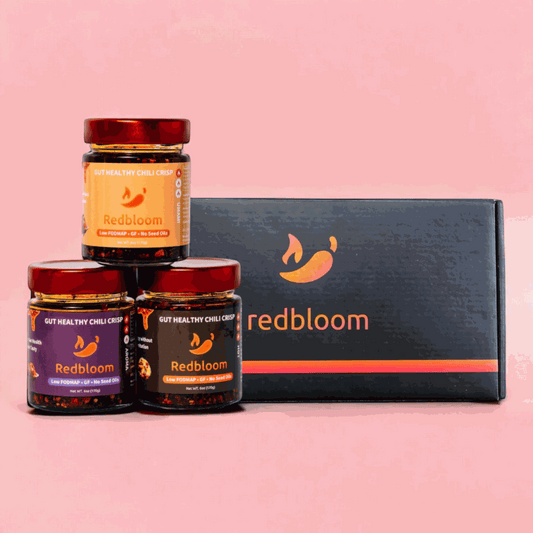
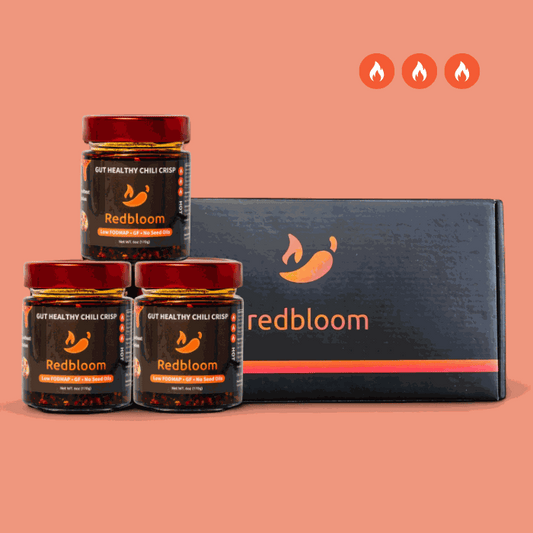
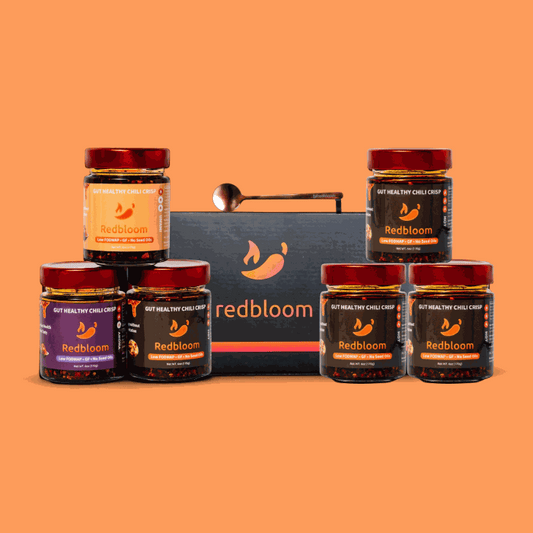
For those interested in building long-term gut resilience while managing period cravings, Redbloom's chili crisp offers a unique approach. Capsaicin is clinically proven to reduce gut sensitivity, but traditional chili products can initially trigger flare-ups. Redbloom addresses this by microencapsulating capsaicin in oleic acid from avocado oil, creating a protective cushion that's gentler on sensitive guts. Our 3-phase protocol (Mild Umami → Medium Aroma → Hot Dopamine) is designed to gradually build tolerance, helping reduce gut hypersensitivity that underlies IBS symptoms. Learn more about Redbloom's approach.
FAQ
1) Are period spice cravings actually caused by hormones?
Research shows a complex picture. While some studies find no direct correlation between hormone levels and food preferences [1], others demonstrate that progesterone withdrawal correlates with increased cravings generally [5]. However, no studies have specifically examined spice cravings. Inflammation and individual sensitivity to hormonal changes likely play larger roles than hormone levels alone.
2) Why do I crave spicy food more than sweets during my period?
Capsaicin can bind the estrogen receptor and enhance estradiol binding [3], potentially making spicy foods more rewarding during hormonal fluctuations. Individual brain chemistry and reward pathways vary, so some people naturally gravitate toward heat rather than sugar, though this remains to be studied directly.
3) Can eating spicy food during my period make cramps worse?
This depends on your individual gut sensitivity. Capsaicin can initially activate pain receptors [2], but it may also have anti-inflammatory effects in some contexts. If you have IBS or digestive sensitivities, start with milder spices and pair them with soothing foods.
4) Should I restrict spicy foods during my cycle?
Not necessarily. Research suggests that higher progesterone levels naturally reduce cravings [5], so supporting healthy hormone production may be more effective than restriction. Listen to your body and find a balance that satisfies cravings without causing digestive distress.
5) How can I tell if my period cravings are normal or concerning?
Normal cravings are intense but manageable and don't completely disrupt your eating patterns. If cravings feel compulsive, cause significant digestive distress, or interfere with daily life, consider consulting a healthcare provider to rule out underlying hormonal imbalances or other conditions.
Conclusion
Period cravings for spicy food are commonly reported, though the scientific understanding of this specific pattern is still developing. While research reveals fascinating connections between progesterone levels, capsaicin sensitivity, and inflammatory processes, most studies have focused on general food cravings rather than spice preferences specifically. Rather than fighting these cravings, understanding the biological basis of menstrual cycle-related food desires can help you satisfy them in gut-friendly ways. Trust your body's signals, experiment with gentler heat sources, and remember that building long-term spice tolerance may actually support your digestive resilience over time.
Bibliography
[1] Meyer C, Barbosa S, Hirschberg AL et al. Food preferences throughout the menstrual cycle - A computer-assisted neuro-endocrino-psychological investigation. Psychoneuroendocrinology (2022). DOI: 10.1016/j.psyneuen.2022.105867
[2] Lu YC, Chen CW, Wang SY, Wu FS. 17β-estradiol mediates the sex difference in capsaicin-induced nociception in rats. Journal of Pharmacology and Experimental Therapeutics (2009). DOI: 10.1124/jpet.109.158402
[3] Pietrowicz & Root-Bernstein. Capsaicin (But Not Other Vanillins) Enhances Estrogen Binding to Its Receptor: Implications for Power Sports and Cancers. Life (2025). DOI: 10.3390/life15020208
[4] Mumford SL, Browne RW, Schliep KC et al. Association of inflammation biomarkers with food cravings and appetite changes across the menstrual cycle. Clinical Nutrition ESPEN (2023). DOI: 10.1016/j.clnesp.2023.03.015
[5] Hamidovic A, Karapetyan K, Serdarevic F et al. Mid-Luteal Progesterone Is Inversely Associated with Premenstrual Food Cravings. Nutrients (2023). DOI: 10.3390/nu15051148
[6] Ozturk ZA, Kadayifci FZ, Dag E et al. The role of premenstrual syndrome in hedonic hunger and food craving during the menstrual cycle. Frontiers in Psychology (2024). DOI: 10.3389/fpsyg.2024.1346894
Medical Disclaimer: This article is for informational purposes only and is not intended as medical advice. Always consult with a qualified healthcare provider before making dietary changes or if you have a medical condition.