Introduction
Ever notice how you reach for the hottest sauce or spiciest takeout when life gets overwhelming? You're not alone. Many people find themselves craving fiery foods during stressful periods, and there's fascinating science behind this urge. Your brain and gut are communicating through complex pathways that make spicy food feel like exactly what you need when stress hits. This article explores why people crave spicy food when stressed, what's happening in your body during these cravings, and how to satisfy them in ways that support rather than sabotage your gut health.
What Is the Stress-Spice Connection and How Does It Affect Your Body?
When you're stressed, your body activates multiple systems that can trigger cravings for intense flavors like spice. The main player is capsaicin, the compound that makes chilies hot, which binds to TRPV1 receptors – specialized sensors that detect heat and pain throughout your nervous system [1,3].
These receptors don't just exist in your mouth. They're found in your brain, gut, and stress-response pathways, creating a direct link between spicy food and your body's stress management systems [4]. When capsaicin activates these receptors, it can trigger the release of beta-endorphins, your body's natural "feel-good" chemicals that help counteract stress [2,8].
Research suggests this connection runs deeper than just taste preferences. Studies show that dietary capsaicin can influence gut bacteria and neurotransmitter levels, potentially affecting mood and stress responses through the gut-brain axis [1,10].
Why Stress Triggers Spicy Food Cravings
1) Natural Pain Relief System
When you eat spicy food, capsaicin activates your body's endogenous system. Research shows that capsaicin injection increases beta-endorphin levels in cerebrospinal fluid within 45 minutes, providing natural pain and stress relief [8]. This creates a biological reward cycle where your stressed brain learns to associate spicy food with relief.
- Beta-endorphins act positively in your system [2,9]
- The effect can last for hours after eating spicy food [8]
- Your brain remembers this relief and craves it during future stress [2]
2) Stress Response Protein Activation
TRPV1 receptors function as stress response proteins in your central nervous system. When activated by capsaicin, they can provide neuroprotective effects during times of cellular stress [4]. This means your craving for spice during stress might be your body's attempt to activate protective mechanisms.
- TRPV1 helps manage oxidative stress and inflammation [3,5]
- Activation may protect against stress-related brain changes [3,4]
- The system responds to multiple stress signals, not just heat [4]
3) Gut-Brain Communication
Your gut produces neuropeptides that influence stress and immune responses. Research indicates that capsaicin can modulate these gut-derived peptides, potentially reducing daily stress through the microbiome-gut-brain axis [6,10]. When you're stressed, your gut may be signaling for foods that can rebalance this communication.
- Gut peptides like ghrelin affect mood and stress [10]
- Capsaicin may help regulate these signaling molecules [6]
- The effect can influence psychiatric disorder risk [10]
Common Signs of Stress-Induced Spice Cravings
Recognizing these patterns can help you understand when stress is driving your food choices:
- Sudden urges for much spicier food than usual
- Craving heat specifically during work deadlines or emotional stress
- Feeling temporarily calmer or more focused after spicy meals
- Reaching for hot sauce or chili crisp as a "comfort food"
- Increased tolerance for spice during stressful periods
Why Some People Crave Spice More During Stress
Genetic Sensitivity Differences
People have varying numbers and sensitivity of TRPV1 receptors, which affects both their spice tolerance and their stress-relief response to capsaicin [1,4]. If you have more responsive receptors, you might get stronger mood benefits from spicy food, making stress-induced cravings more likely.
Gut Health Status
Your existing gut health influences how capsaicin affects your stress response. Research shows that capsaicin can increase beneficial bacteria like Ruminococcus and Prevotella while reducing neuroinflammation [1]. However, in compromised gut states, like diabetes, capsaicin may worsen anxiety and disrupt gut bacteria balance [7].
Stress Response Patterns
Some people naturally seek intense sensory experiences to manage stress, while others prefer calming activities. If you're someone who uses exercise, cold showers, or other intense experiences to manage stress, spicy food cravings fit this same pattern of using controlled "stress" to reset your system.
What the Science Says: Key Findings
Recent research reveals fascinating connections between capsaicin, stress, and mental health. A 2021 study found that dietary capsaicin prevented depression-like behaviors in mice by modulating gut bacteria and reducing neuroinflammation, suggesting the gut-brain axis mediates capsaicin's mood benefits [1].
The neuroprotective research is particularly compelling. Studies show capsaicin reduces brain oxidative stress and neuroinflammation, potentially protecting against stress-related neuronal damage [3]. The compound's ability to activate anti-inflammatory pathways may explain why many people instinctively reach for spice during challenging times [5].
Immediate Ways to Satisfy Stress-Spice Cravings Safely
1. Start with milder heat: When stressed, your pain tolerance might be altered, making it easy to overdo spice and trigger gut upset. Begin with moderate heat and build up [4].
2. Pair with gut-soothing foods: Combine spicy elements with rice, yogurt, or avocado to buffer capsaicin's intensity while still getting the stress-relief benefits [1].
3. Time it right: Avoid spicy foods close to bedtime when stressed, as the stimulation can interfere with sleep recovery. Aim for earlier in the day when your stress response is more active [8].
4. Stay hydrated: Stress and capsaicin both increase fluid needs. Keep water nearby to help your body process both the stress response and the spice [4].
Long-Term Strategies to Manage Stress-Food Patterns
1. Build gradual tolerance: If you want to use spicy food as a stress management tool, slowly increase your tolerance over weeks rather than shocking your system during acute stress [4]. This approach helps your TRPV1 receptors adapt safely.
2. Address underlying stress: While spicy food can provide temporary relief, combining it with other stress management techniques like exercise, meditation, or therapy creates more sustainable results [10].
3. Monitor your gut health: Pay attention to how your digestive system responds to stress-induced spice cravings. If you notice increased bloating, pain, or changes in bowel habits, consider gentler alternatives during high-stress periods [7].
4. Create spice rituals: Instead of impulsive stress-eating, create mindful spice experiences. Cooking with chilies, making your own hot sauce, or slowly savoring spicy tea can provide similar benefits with more awareness [1].
How Redbloom Fits In
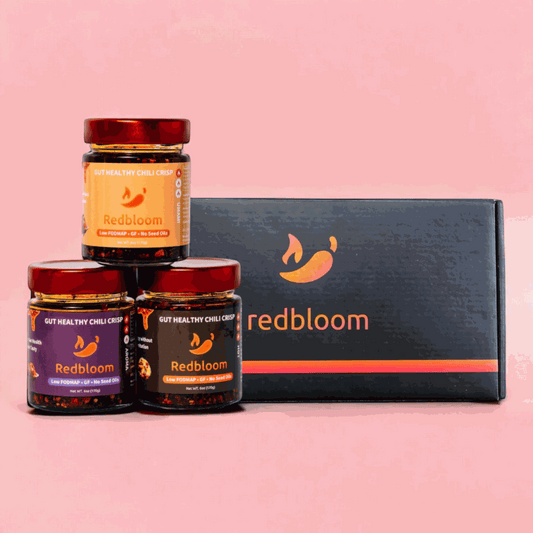
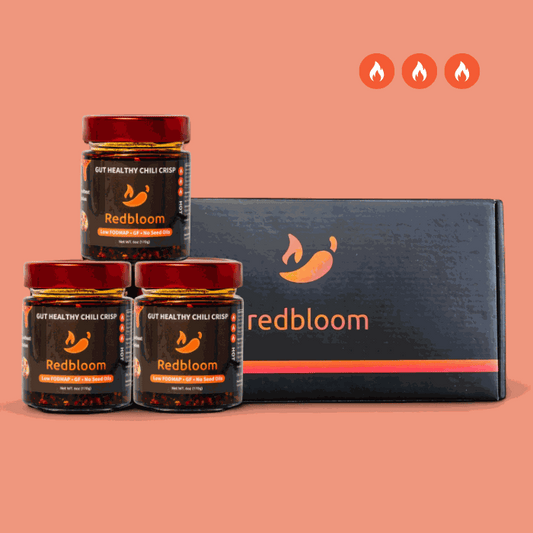
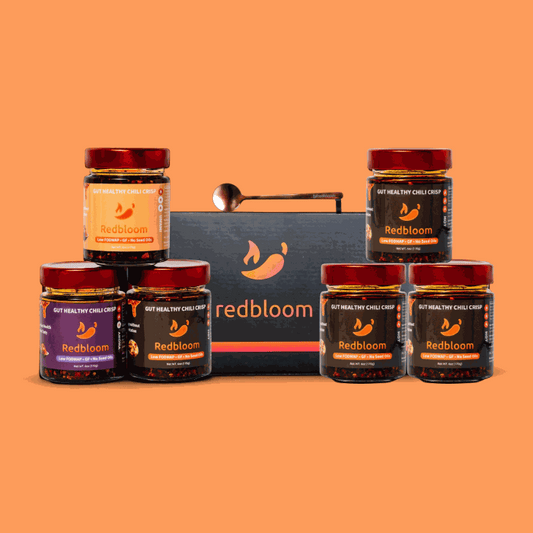
For those looking to harness spice for stress management while supporting gut health, Redbloom's chili crisp offers a thoughtful approach. Our product uses microencapsulated capsaicin in avocado oil, which research suggests can help reduce gut sensitivity over a 6-8 week protocol while providing benefits of capsaicin.
The gradual 3-phase system (Mild Umami → Medium Aroma → Hot Dopamine) is designed to build tolerance without triggering gut flare-ups, making it easier to maintain benefits long-term. With 15 clinically-backed whole ingredients including organic lion's mane and MCT oil, it's formulated to support both immediate stress relief and long-term gut resilience.
Learn more about Redbloom's approach to stress-supporting spice.
FAQ
1) Is it unhealthy to crave spicy food when stressed?
Not necessarily. Research shows capsaicin can provide genuine stress-relief benefits through beta-endorphin release and anti-inflammatory effects [2,3]. The key is paying attention to how your body responds and not relying solely on food for stress management.
2) Why do I tolerate more spice when I'm stressed?
Stress can alter pain perception and activate your body's natural pain-relief systems. Additionally, the beta-endorphins released during stress may increase your tolerance for capsaicin's intensity [8,9]. Your TRPV1 receptors may also be less sensitive during acute stress responses [4].
3) Can spicy food actually help with anxiety?
Research suggests it may help in some cases. Studies show capsaicin can reduce neuroinflammation and support beneficial gut bacteria, both of which influence anxiety through the gut-brain axis [1]. However, in compromised health states, it might worsen anxiety symptoms [7].
4) Should I avoid spicy food if I have IBS and stress makes it worse?
This depends on your individual response. While capsaicin can initially trigger symptoms, some research suggests gradual exposure might help reduce gut sensitivity over time [4]. Start very slowly and monitor your symptoms, or consult with a healthcare provider familiar with IBS management.
5) How can I tell if my spice cravings are stress-related or just preference?
Notice the timing and intensity. Stress-related cravings often appear suddenly during challenging periods, involve wanting much more heat than usual, and provide a noticeable mood shift after eating. Regular preference tends to be more consistent regardless of stress levels.
Conclusion
Understanding why you crave spicy food when stressed can help you make more intentional choices about managing both your stress and your gut health. The science shows real biological reasons behind these cravings, from beta-endorphin release to gut-brain communication. By approaching stress-induced spice cravings mindfully – whether through gradual tolerance building, gut-supporting formulations, or simply more awareness of the patterns – you can harness the benefits while protecting your digestive health for the long term.
Bibliography
[1] Kang C, Wang B, Kaliannan K et al. Gut Microbiota Mediates the Preventive Effects of Dietary Capsaicin Against Depression-Like Behavior Induced by Lipopolysaccharide in Mice. Frontiers in Cellular and Infection Microbiology (2021). DOI: 10.3389/fcimb.2021.627608
[2] Bach FW, Yaksh TL. Release of beta-endorphin immunoreactivity into ventriculo-cisternal perfusate by lumbar intrathecal capsaicin in the rat. Brain Research (1995).
[3] Sakamoto K, Karelina T, Obrietan K. Capsaicin, The Vanilloid Receptor TRPV1 Agonist in Neuroprotection: Mechanisms Involved and Significance. Neurochemical Research (2023). DOI: 10.1007/s11064-023-03983-z
[4] Cavanaugh DJ, Chesler AT, Jackson AC et al. TRPV1: a stress response protein in the central nervous system. American Journal of Physiology-Cell Physiology (2011).
[5] Möhn N, Baumgartner W, Baumgärtner W et al. Immunomodulatory and anti-oxidative effect of the direct TRPV1 receptor agonist capsaicin on Schwann cells. Journal of Neuroinflammation (2020). DOI: 10.1186/s12974-020-01821-5
[6] Yoo BB, Mazmanian SK. Neuropeptides in gut-brain axis and their influence on host immunity and stress. Current Opinion in Microbiology (2017).
[7] Zhang L, Wang Y, Chen M et al. Dietary Capsaicin Exacerbates Gut Microbiota Dysbiosis and Mental Disorders in Type 1 Diabetes Mice. Nutrients (2025).
[8] Duan YH, Zhang QY, Wang J et al. Acute Effects of Capsaicin on Proopioimelanocortin mRNA Levels in the Arcuate Nucleus of Sprague-Dawley Rats. Korean Journal of Pain (2012).
[9] Bertolini A, Vergoni AV, Gessa GL et al. Analgesic effect of morphine: a role for beta-endorphin. Psychopharmacology (1987).
[10] Foster JA, Rinaman L, Cryan JF. Anxiety, Depression, and the Microbiome: A Role for Gut Peptides. Neurotherapeutics (2017).
Medical Disclaimer: This article is for informational purposes only and is not intended as medical advice. Always consult with a qualified healthcare provider before making dietary changes or if you have a medical condition.