Introduction
Ever wonder why your spice tolerance seems to change from week to week? One day you're crushing that extra-hot chili oil, the next you're reaching for milk after a single drop. While taste buds do regenerate continuously through an intricate process involving stem cells and growth signals, spice tolerance fluctuations are actually controlled by TRPV1 receptors on trigeminal nerve endings, not taste buds themselves. These heat sensors undergo desensitization and recovery cycles that can affect your capsaicin sensitivity. Understanding how these mechanisms work can help you build lasting heat tolerance while supporting gut health.
What Are Taste Buds and How Do They Affect Spice Tolerance?
Taste buds are small sensory organs containing specialized cells that detect flavors like sweet, sour, salty, and bitter. Each taste bud houses multiple types of receptor cells, including Type I support cells, Type II taste receptor cells, and Type III cells that respond to sour and salty tastes [4]. However, the burning sensation from capsaicin is actually detected by TRPV1 receptors located on trigeminal (somatosensory) nerve endings, not within taste buds themselves [1].
Research shows that taste bud cells are continuously replaced by stem-like cells in the surrounding tissue [4]. This constant turnover is controlled by signaling pathways including Sonic hedgehog (Shh) and Wnt signaling, which coordinate when old cells die off and new ones differentiate [2,3]. However, this renewal process doesn't directly control spice sensitivity since capsaicin heat is sensed by separate trigeminal nerves.
Why TRPV1 Receptor Function Affects Your Heat Tolerance
1) Receptor Desensitization Creates Sensitivity Changes
TRPV1 receptors on trigeminal nerve endings undergo desensitization when repeatedly exposed to capsaicin. This process involves calcium-dependent mechanisms that temporarily reduce receptor responsiveness [5,6].
- Fresh receptors may be more sensitive initially
- Repeated exposure causes temporary desensitization
- Recovery from desensitization creates fluctuating tolerance levels
2) Nerve Health Influences Sensitivity
The trigeminal nerves that carry TRPV1 receptors can be affected by inflammation, stress, or other factors that influence their sensitivity to capsaicin [1]. Changes in nerve function can affect how intensely you perceive heat.
- Healthy nerve function promotes stable sensitivity
- Inflammation or irritation can increase sensitivity unpredictably
3) TRPV1 Receptor Adaptation
Research shows TRPV1 receptors undergo adaptation through calcium-dependent mechanisms [5,6]. As these receptors are repeatedly exposed to capsaicin, they can become desensitized through changes in membrane components called phosphoinositides [5]. This adaptation occurs in the persistent sensory neurons and isn't governed by taste bud turnover.
- Temporary desensitization occurs with regular exposure
- Recovery happens through receptor restoration mechanisms
Common Signs Your Spice Sensitivity Is Changing
You might notice these fluctuations in your spice tolerance:
- Sudden increased sensitivity to familiar hot sauces
- Unexpected ability to handle more heat than usual
- Changes in how long the burning sensation lasts
- Different intensity perception in spicy foods
- Varying intensity of the same chili oil from day to day
Why Some People Handle Spice Changes Better
Individual Nerve Sensitivity
Genetic differences in TRPV1 receptor expression and function mean some people naturally have more stable spice tolerance [1]. Those with fewer or less reactive heat sensors experience smaller swings in sensitivity.
Gut Health and Inflammation
Chronic inflammation can increase TRPV1 sensitivity in gut tissues, though this is separate from oral taste bud renewal [7]. People with IBS or other gut conditions may experience more dramatic tolerance changes as their hypersensitive system amplifies capsaicin effects.
Consistent Exposure Patterns
Regular, moderate capsaicin exposure can help maintain more stable receptor adaptation [6]. People who eat spicy foods consistently may experience smaller fluctuations than those who have sporadic spicy meals.
What the Science Says: Key Findings
Several studies illuminate how TRPV1 function affects spice perception and tolerance building:
Cellular regeneration timeline: Research shows taste receptor cells are continuously replaced with an average lifespan of about 10 days, though turnover is asynchronous and different cell types vary (Type III cells have ~22-day half-lives), with full replacement taking weeks to months [4]. This turnover maintains taste function but doesn't directly control spice sensitivity.
TRPV1 adaptation mechanisms: Studies show capsaicin causes receptor desensitization through calcium influx and membrane changes in trigeminal nerve endings [5,6]. This desensitization helps explain why tolerance can build and fluctuate over time.
Nerve-dependent regeneration: Taste bud formation requires nerve-delivered Sonic hedgehog signals [2], though this process is separate from TRPV1-mediated spice detection on trigeminal nerves.
Immediate Strategies During Sensitive Phases
1) Dairy proteins: Milk, yogurt, or cheese contain casein, which can help wash capsaicin away from receptors when sensitivity spikes unexpectedly [6].
2) Sugar solutions: A spoonful of sugar in water may help counteract capsaicin binding during high-sensitivity periods [6].
3) Bread or rice: Starchy foods can absorb oils containing capsaicin and provide physical relief when tolerance drops suddenly.
4) Cool temperature: Cold foods or drinks can help soothe the burning sensation, though they don't directly act on TRPV1 receptors (which respond to heat above ~43°C) [1].
Long-Term Strategies to Build Stable Tolerance
1) Consistent low-dose exposure: Regular small amounts of capsaicin can help maintain baseline adaptation in TRPV1 receptors [6]. Aim for daily tiny doses rather than occasional large ones.
2) Monitor your tolerance patterns: Keep a simple log of spice reactions to identify patterns in your sensitivity changes, which may help you anticipate fluctuations.
3) Support nerve health: Since TRPV1 sensitivity can be affected by inflammation and stress, stress management, adequate sleep, and anti-inflammatory foods may help stabilize receptor function [1].
4) Gradual progression during stable phases: When tolerance feels steady, that's the ideal time to slowly increase heat levels.
How Redbloom Fits In
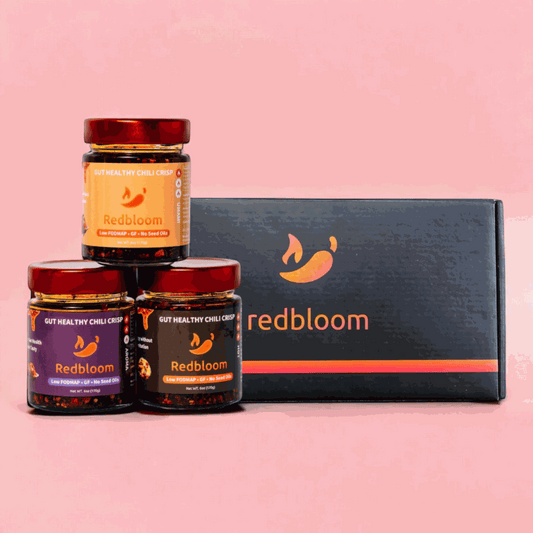
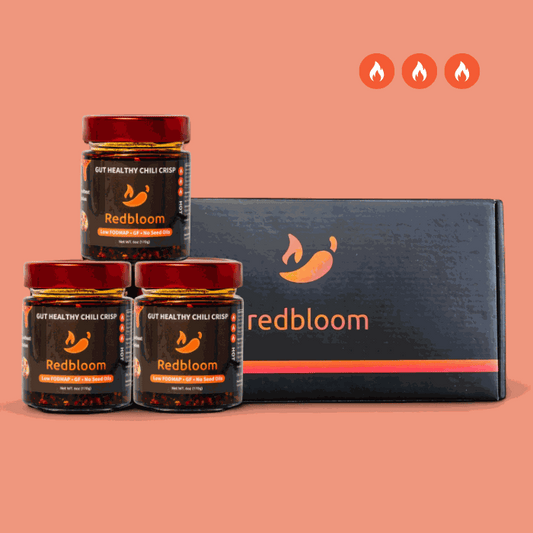
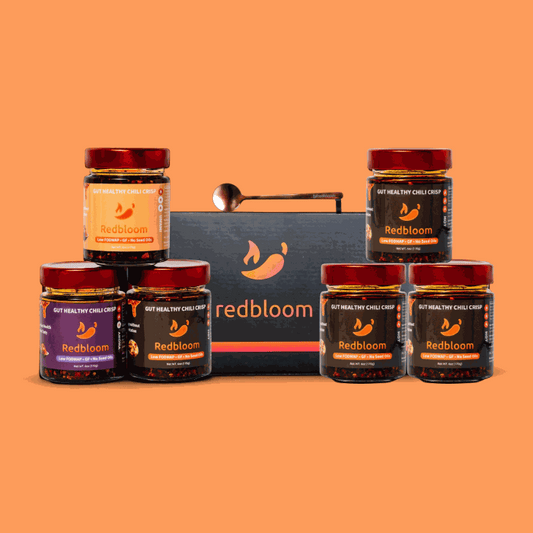
For those interested in building long-term gut resilience while managing period cravings, Redbloom's chili crisp offers a unique approach. Capsaicin is clinically proven to reduce gut sensitivity, but traditional chili products can initially trigger flare-ups. Redbloom addresses this by microencapsulating capsaicin in oleic acid from avocado oil, creating a protective cushion that's gentler on sensitive guts. Our 3-phase protocol (Mild Umami → Medium Aroma → Hot Dopamine) is designed to gradually build tolerance, helping reduce gut hypersensitivity that underlies IBS symptoms. Learn more about Redbloom's approach.
FAQ
1) Do taste buds really completely replace themselves every 10 days?
Taste receptor cells undergo continuous renewal with an average lifespan around 10 days, but turnover is asynchronous and varies by cell type, with full replacement taking weeks to months [4]. However, spice tolerance is controlled by TRPV1 receptors on trigeminal nerves, not taste buds themselves.
2) Can I predict when my spice tolerance will change?
While TRPV1 desensitization and recovery can create patterns, individual timing varies greatly. Keeping a simple log of your reactions to familiar spicy foods may help you identify personal patterns.
3) Why do some people seem to have stable spice tolerance?
Genetic differences in TRPV1 receptor sensitivity and consistent daily capsaicin exposure can minimize noticeable fluctuations [1,6]. These people still experience receptor changes, but the functional impact is smaller.
4) Does this renewal affect other tastes besides spice?
Taste bud turnover affects all taste sensations like sweet, sour, salty, and bitter [4]. However, spice sensation comes from TRPV1 receptors on separate trigeminal nerves, which is why capsaicin changes feel more dramatic than subtle shifts in other tastes.
5) Can I build permanent spice tolerance despite receptor changes?
Consistent exposure can create lasting changes in TRPV1 sensitivity and nerve adaptation patterns [6,7]. The key is maintaining regular, moderate exposure rather than sporadic intense challenges.
Conclusion
Understanding how TRPV1 receptors control spice sensitivity takes the mystery out of fluctuating heat tolerance. Instead of fighting these natural changes, you can work with them by maintaining consistent low-dose exposure, monitoring your patterns, and adjusting expectations during sensitive phases. This knowledge empowers you to build lasting heat tolerance while supporting overall gut health through mindful spice consumption.
Medical Disclaimer: This article is for informational purposes only and is not intended as medical advice. Always consult with a qualified healthcare provider before making dietary changes or if you have a medical condition.