Introduction
Dreading lunchtime at the office because of your IBS? You're not alone. Research shows that workplace stress can intensify post-meal symptoms, turning a simple lunch break into a source of anxiety. The combination of work pressure, limited food options, and unpredictable bathroom access creates a perfect storm for IBS flare-ups. This article breaks down four evidence-based strategies for eating lunch at work with IBS management in mind, helping you navigate workplace dining without compromising your comfort or productivity.
What Is Post-Meal IBS and How Does It Affect Your Workday?
Post-meal IBS symptoms occur when eating triggers an exaggerated response in your digestive system. Studies show that people with IBS experience significant changes in gut hormones like gastrin and CCK after meals, along with reduced normal stomach contractions [3]. This creates a cascade of uncomfortable symptoms that can derail your afternoon productivity.
Your gut's nervous system becomes hypersensitive, meaning normal digestive processes feel amplified and uncomfortable [4]. The workplace adds another layer of complexity, as mental stress after eating can worsen these symptoms in people with IBS compared to healthy individuals [1].
Why Workplace Lunches Trigger IBS Symptoms
1) Post-Meal Stress Response
Research shows that mental stress following a meal creates stronger negative reactions in people with IBS [1]. When you rush back to work after eating, your body struggles to properly digest while managing stress hormones.
- Stress hormones interfere with normal digestion
- Symptoms intensify when returning to demanding tasks
- Limited recovery time compounds the problem
2) Disrupted Gut Motility
IBS patients show increased colonic motility after meals, especially when combined with workplace stress [4]. This means your intestines move food too quickly, leading to cramping and urgency at the worst possible time.
- Faster intestinal contractions cause cramping
- Reduced stomach coordination affects digestion [3]
- Workplace anxiety amplifies these responses
3) Limited Control and Anxiety
Studies reveal that job demands and low workplace control may be associated with worse IBS symptoms [6]. When you can't control your environment, meal timing, or bathroom access, anxiety about symptoms creates a vicious cycle.
- Anticipatory anxiety worsens actual symptoms
- Restricted bathroom access increases stress
- Unpredictable schedules disrupt eating patterns
Common Workplace IBS Symptoms
Post-lunch IBS symptoms typically appear within 30 minutes to 2 hours after eating:
- Abdominal cramping and bloating
- Urgent need for bathroom access
- Nausea and upper stomach discomfort [7]
- Gas and intestinal rumbling
- Fatigue and difficulty concentrating
Why Some Workers Handle Lunch Better
Job Flexibility and Control
Research shows that workplace autonomy may influence IBS severity [6]. Employees with flexible schedules and bathroom access report fewer lunch-related symptoms. Those in rigid environments or customer-facing roles often struggle more.
Stress Management Skills
Studies indicate that depression and somatization levels directly correlate with post-meal symptom intensity [5]. Workers who've developed effective stress management techniques experience milder reactions to workplace dining challenges.
Meal Timing Awareness
Some people instinctively avoid eating large meals before stressful meetings or presentations. This natural timing adjustment helps prevent the overlap of digestive stress and work pressure that can trigger severe symptoms.
What the Science Says: Key Findings
Recent workplace IBS research reveals important patterns for lunch management:
Productivity Impact: Japanese workers with IBS showed significantly impaired work performance, with depression and physical symptoms being the strongest predictors of presenteeism [6].
Stress Interaction: Low job control combined with negative thinking patterns was associated with worse abdominal symptoms, though this interaction did not reach statistical significance [6].
Hormone Response: IBS patients demonstrate abnormal post-meal hormone patterns, including elevated gastrin and insulin levels that may contribute to symptom intensity [3].
Psychological Factors: Depression and somatization scores directly predicted the severity of post-meal symptoms, highlighting the mind-gut connection [5].
Strategy 1: Smart Meal Timing and Portions
Eat 2-3 hours before important meetings. This allows initial digestion to complete before work stress peaks. Research shows post-meal symptoms typically occur within the first two hours [7].
Choose smaller, more frequent meals. Eating large volumes at once can intensify post-meal digestive symptoms for many people with IBS.
Avoid rushed eating. Taking 15-20 minutes to eat slowly helps prevent the stress-digestion collision that worsens symptoms [1].
Strategy 2: Workplace Environment Management
Scout bathroom locations early. Knowing where facilities are located reduces anticipatory anxiety that can trigger symptoms before they start.
Communicate with supportive colleagues. Building workplace social support can help buffer stress-related symptom flare-ups.
Create a post-lunch buffer period. Even 10-15 minutes of quiet time after eating can prevent the immediate return to high-stress tasks that worsen symptoms [1].
Strategy 3: Food Selection for Workplace Success
Pack familiar, tested foods. Workplace dining isn't the time to experiment. Stick with meals you've successfully eaten at home during calm periods.
Avoid common workplace triggers: Greasy cafeteria food, large salads with multiple vegetables, carbonated drinks, and high-fat options that can worsen post-meal motility issues.
Include gut-soothing elements. Rice, toast, lean proteins, and cooked vegetables tend to be gentler on sensitive digestive systems during stressful periods.
Strategy 4: Stress Management Integration
Practice brief relaxation before eating. Even 2-3 minutes of deep breathing can help shift your nervous system away from stress mode before meals.
Use cognitive reframing techniques. Studies show that negative thought patterns specifically worsen IBS symptoms in workplace settings [6]. Challenge catastrophic thinking about potential symptoms.
Plan for symptom management. Having a clear action plan reduces anxiety. Know which bathroom to use, keep antispasmodic medication handy, and identify a quiet space for recovery if needed.
How Redbloom Fits In
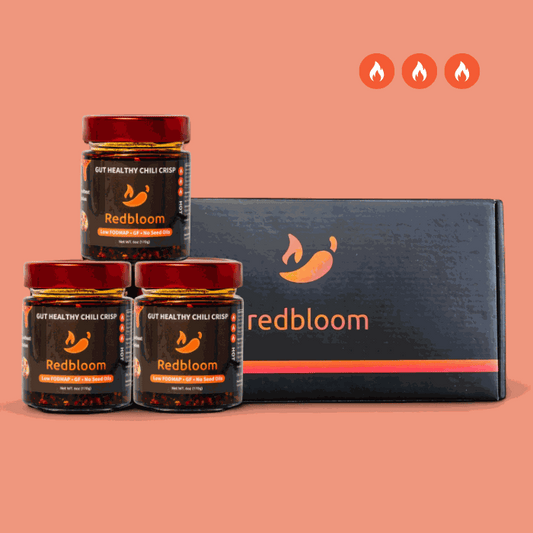
For those interested in building long-term gut resilience, Redbloom's chili crisp offers a unique approach. Capsaicin is clinically proven to reduce gut sensitivity, but traditional chili products can initially trigger flare-ups. Redbloom addresses this by microencapsulating capsaicin in oleic acid from avocado oil, creating a protective cushion that's gentler on sensitive guts. Our 3-phase protocol (Mild Umami → Medium Aroma → Hot Dopamine) is designed to gradually build tolerance, helping reduce gut hypersensitivity that underlies IBS symptoms. Learn more about Redbloom's approach.
FAQ
1) Should I skip lunch at work if my IBS is acting up?
Skipping meals can actually worsen IBS symptoms by disrupting your digestive rhythm and increasing stress hormones. Instead, opt for smaller, gentler portions of familiar foods. Maintaining regular eating patterns helps stabilize gut function.
2) Can I eat spicy food at work with IBS?
Most people with IBS should avoid spicy foods during work hours, as capsaicin can trigger immediate symptoms when you need to be productive. However, spice tolerance varies widely between individuals; introduce any spicy foods cautiously and monitor your own response.
3) How do I handle work lunches and business meetings?
Choose restaurants with IBS-friendly options ahead of time, eat a small snack beforehand to avoid arriving hungry, and don't hesitate to modify menu items. Focus on simple preparations and avoid dishes with multiple potential triggers.
4) What should I keep in my desk for IBS emergencies?
Stock antispasmodic medication (if prescribed), herbal tea bags, crackers or toast, and a heating pad if possible. Having these items reduces anxiety about potential flare-ups and provides immediate comfort options.
5) How can I explain bathroom needs to my boss without oversharing?
You can simply mention having a digestive condition that occasionally requires urgent bathroom access. Most employers are understanding when approached professionally. Focus on your commitment to productivity while requesting reasonable accommodations.
Conclusion
Managing IBS during workplace lunches doesn't have to derail your career or social life. By timing meals strategically, managing your environment, choosing appropriate foods, and integrating stress management techniques, you can maintain both digestive comfort and professional productivity. Remember that small, consistent changes often work better than dramatic overhauls. Listen to your body, plan ahead, and don't hesitate to advocate for the accommodations you need to thrive at work.
Bibliography
[1] Elsenbruch S, Lovallo WR, Orr WC. Psychological and physiological responses to postprandial mental stress in women with the irritable bowel syndrome. Psychosomatic Medicine (2001)
[3] Furgała A, Ciesielczyk K, Przybylska-Feluś M, Jabłoński K, Gil K, Zwolińska-Wcisło M. Postprandial effect of gastrointestinal hormones and gastric activity in patients with irritable bowel syndrome. Scientific Reports (2023) DOI: 10.1038/s41598-023-36445-1
[4] Manabe N, Nakamura K, Hara M et al. Increased Postprandial Colonic Motility and Autonomic Nervous System Activity in Patients With Irritable Bowel Syndrome: A Prospective Study. Journal of Neurogastroenterology and Motility (2018) DOI: 10.5056/jnm16216
[5] Van Oudenhove L, Törnblom H, Störsrud S, Tack J, Simrén M. Depression and Somatization Are Associated With Increased Postprandial Symptoms in Patients With Irritable Bowel Syndrome. Gastroenterology (2016)
[6] Sugaya N, Izawa S, Sasaki T. Effects of irritable bowel syndrome and related cognitive-behavioral and occupational stress factors on the productivity and abdominal symptoms of Japanese workers: a longitudinal study. BioPsychoSocial Medicine (2026) DOI: 10.1186/s13030-026-00349-z
[7] Lunding JA, Nordström LM, Haukelid AO et al. Postprandial Symptoms in Patients With Functional Dyspepsia and Irritable Bowel Syndrome: Relations to Ultrasound Measurements and Psychological Factors. Frontiers in Medicine (2020)
Medical Disclaimer: This article is for informational purposes only and is not intended as medical advice. Always consult with a qualified healthcare provider before making dietary changes or if you have a medical condition.